
Mark Feld was born in London in 1947, and adopted the stage name Marc Bolan as a teenager. Like many British rock stars of his generation, Bolan flirted with different sounds as he adapted to the rapidly changing times, starting a skiffle band as a child before becoming a mod and then a psychedelic folkie. By the early ’70s, though, Marc Bolan had developed a sound of his own that made him the leader of a new movement as the frontman of T. Rex, the quintessential glam rock band. Bolan’s fuzzed-out guitar tone, androgynous fashion sense, and playfully poetic lyrics became the foundation of an entire genre.
From 1970 to 1973, T. Rex scored 10 Top Ten hits on the U.K. charts, most of which never appeared on albums, including “Ride a White Swan,” “Hot Love,” “Children of the Revolution,” and “20th Century Boy.” Bolan didn’t pivot away from the glam rock zeitgeist as dramatically as his friend and chart rival David Bowie, but he gradually expanded T. Rex’s sound with soul and disco influences.
Bolan tragically died in a car crash in 1977, just two weeks shy of his 30th birthday, bringing an abrupt end to T. Rex. The catalog he created, however, continues to be massively influential on multiple generations of musicians, frequently covered and featured in film and television soundtracks. T. Rex was inducted into the Rock and Roll Hall of Fame in 2020.
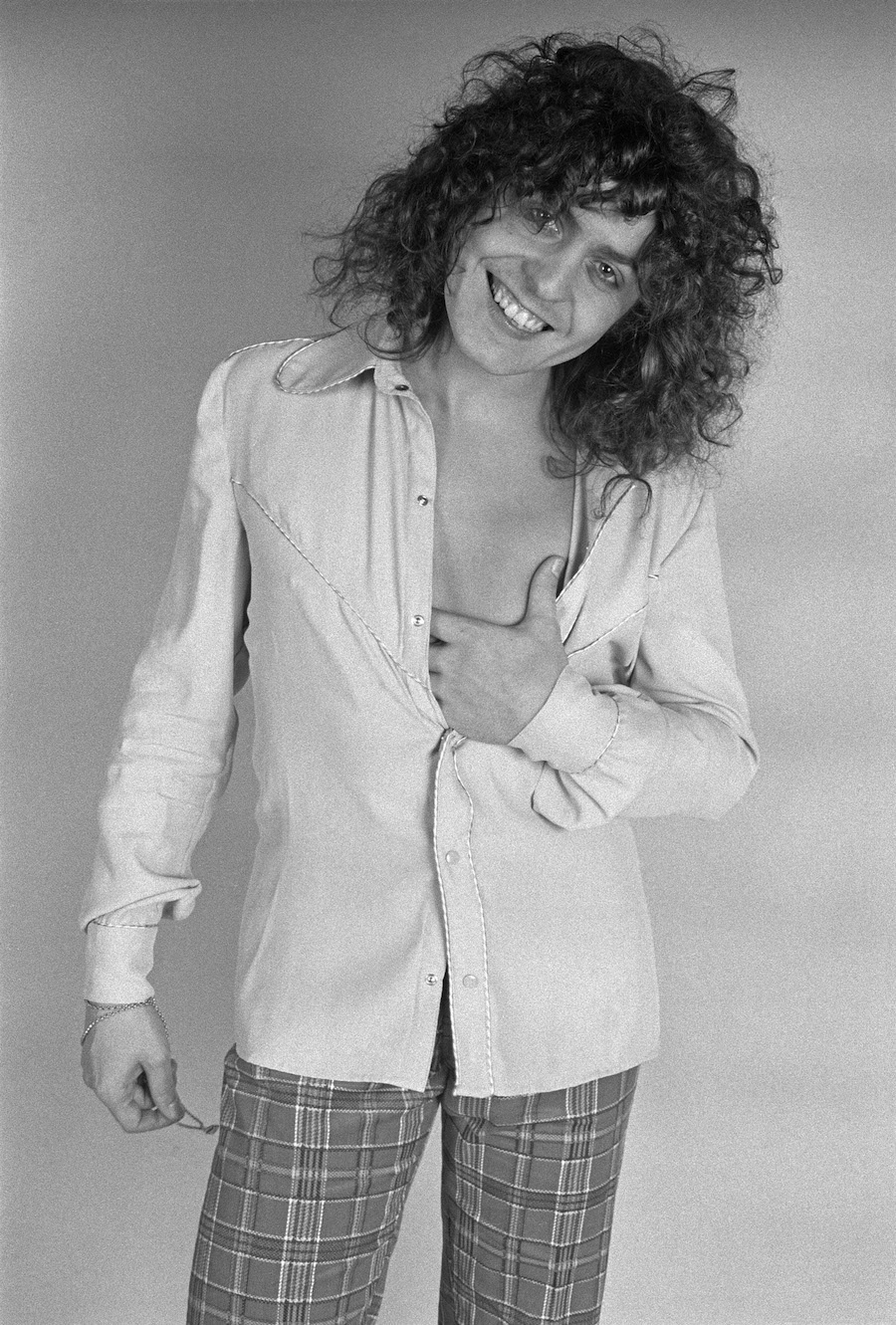
The documentary AngelHeaded Hipster: The Songs of Marc Bolan and T. Rex, featuring interviews and performances from a massive number of stars, was released digitally September 5 after a brief New York theatrical run over the summer. Here’s a look back at the remarkable body of work that Bolan created in his decade in the spotlight.
13. Billy Super Duper (as Marc Bolan & T. Rex) (1982)
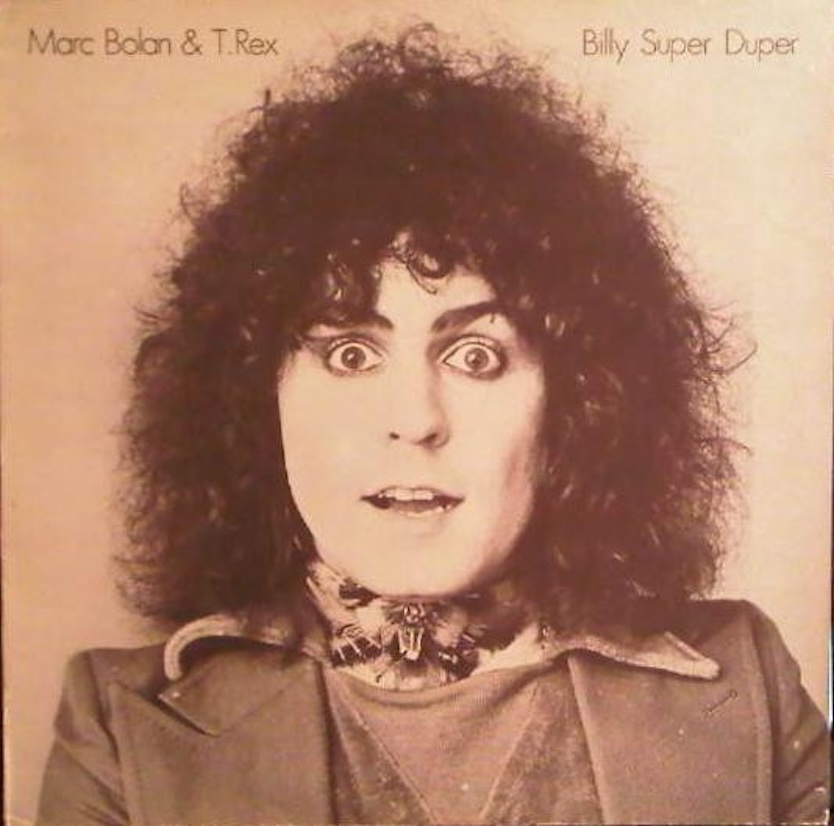
Bolan didn’t regularly make concept albums like many of his contemporaries, but in 1975 he worked on and then abandoned a rock opera called Billy Super Duper. Years later, a posthumous T. Rex album was released under that title that included a few of its songs, as well as 1977 tracks for the album Bolan was making at the time of his death, planned to be called Jack Daniels, and a stray 1972 outtake. Despite the material’s disparate origins, and instrumental overdubs recorded in 1982 to finish some tracks, Billy Super Duper feels almost like a real T. Rex album, but not a great one.
12. My People Were Fair and Had Sky in Their Hair… But Now They’re Content to Wear Stars on Their Brows (as Tyrannosaurus Rex) (1968)
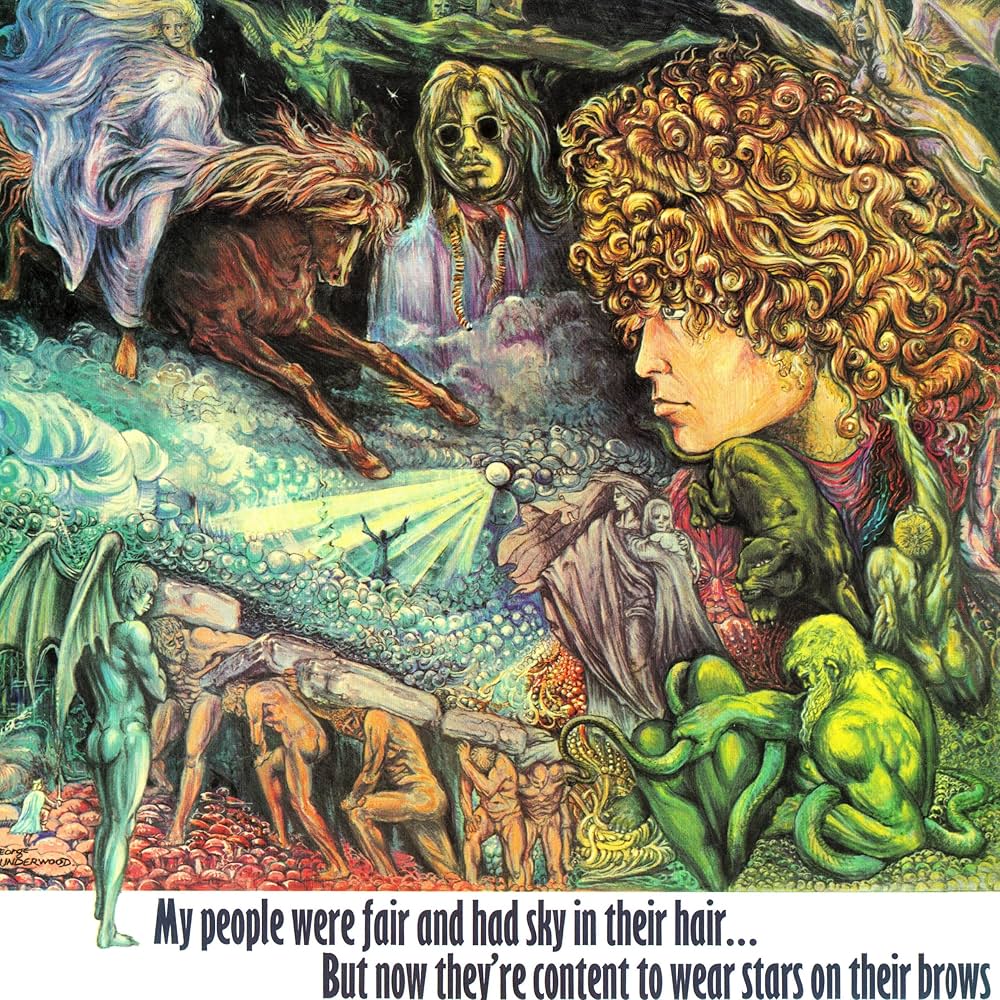
In the London pop scene, as in paleontology, Tyrannosaurus Rex was a major figure before becoming better known by the abbreviation T. Rex. Marc Bolan recorded four Tyrannosaurus Rex albums as an acoustic duo, usually with percussionist Steve Peregrin Took, before Bolan shortened the name and went electric. As you can expect from a band whose drummer wore a cape and named himself after one of Tolkien’s hobbits, Tyrannosaurus Rex were far more theatrical and playful than folk rock contemporaries like Fairport Convention. And their earliest songs like “Dwarfish Trumpet Blues” can be downright silly.
11. Unicorn (as Tyrannosaurus Rex) (1969)
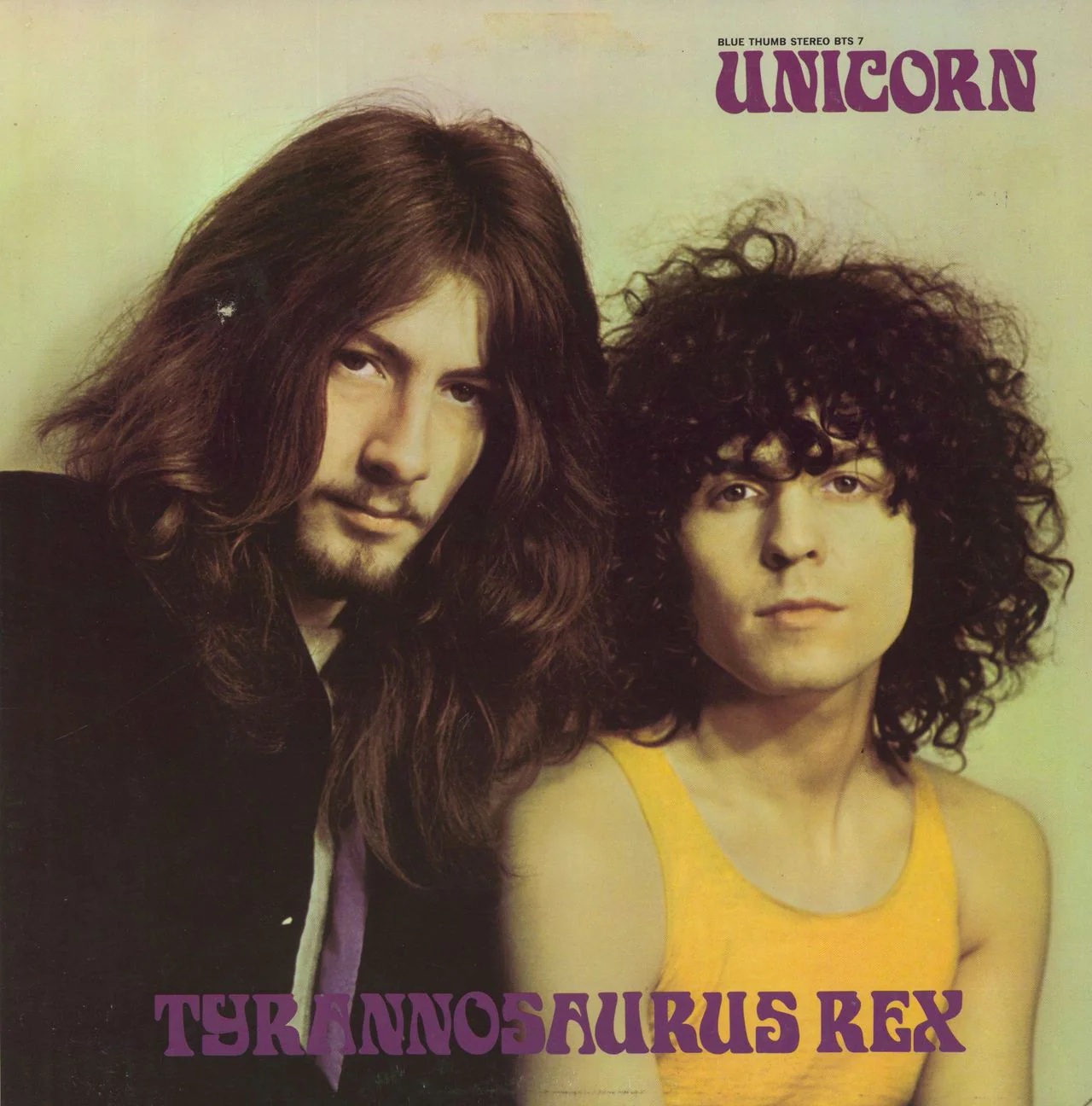
Sometimes it’s striking how much Bolan’s early folk songs contain the same strutting rhythms and bubblegum melodies that would make him into a teen idol once he went electric. Songs like “Chariots of Silk” and “Warlord of the Royal Crocodiles” are still a little lightweight, but producer Tony Visconti gets a lot of atmosphere out of putting a little reverb on bongos and acoustic guitar.
10. Dandy in the Underworld (1977)
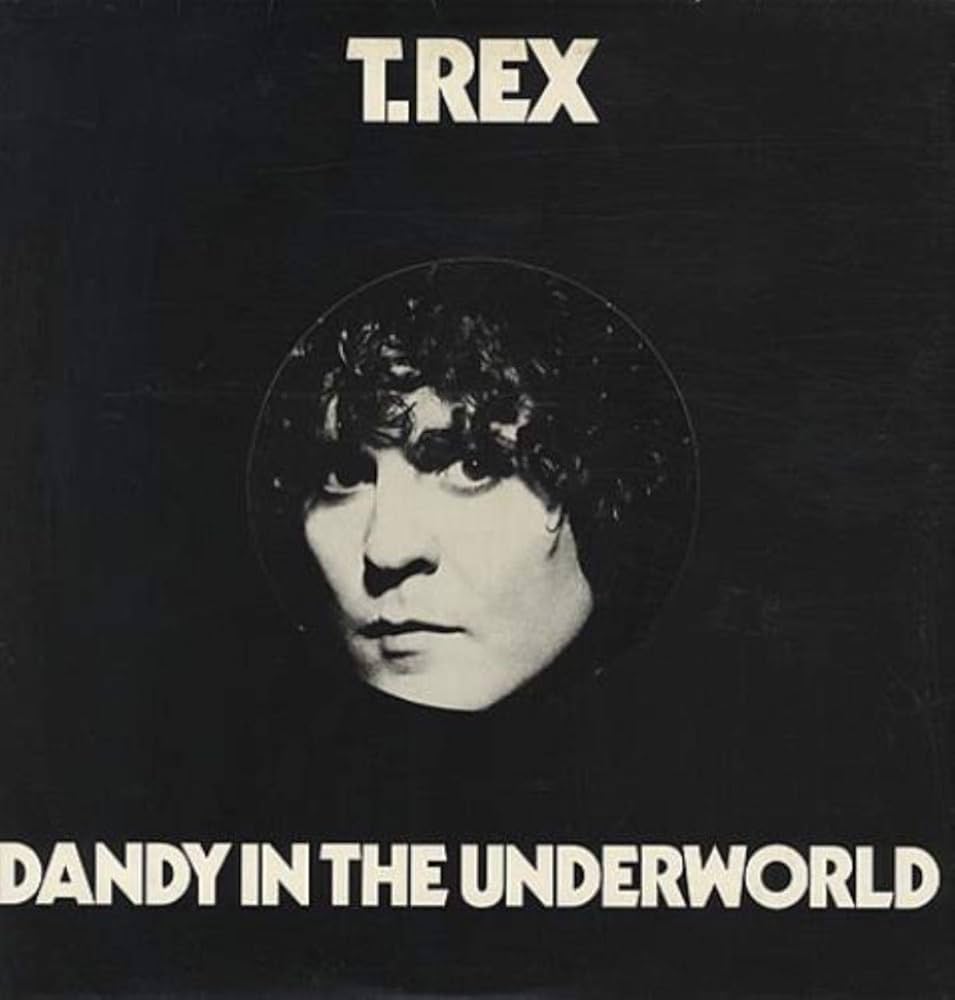
Bolan lived just long enough to witness the first flowering of British punk and new wave, and recognize how many of those musicians had grown up on T. Rex. In the final months of his life, he hosted the weekly ITV series “Marc,” showcasing young bands like the Jam, Generation X, and Boomtown Rats. Dandy in the Underworld, released a few months earlier, was hailed as a comeback for glammy hits like “I Love To Boogie,” but it’s hard not to wonder what exciting directions Bolan could have gone in next that might have fed off the new energy that was taking London by storm.
9. Prophets, Seers & Sages: The Angels of the Ages (as Tyrannosaurus Rex) (1968)
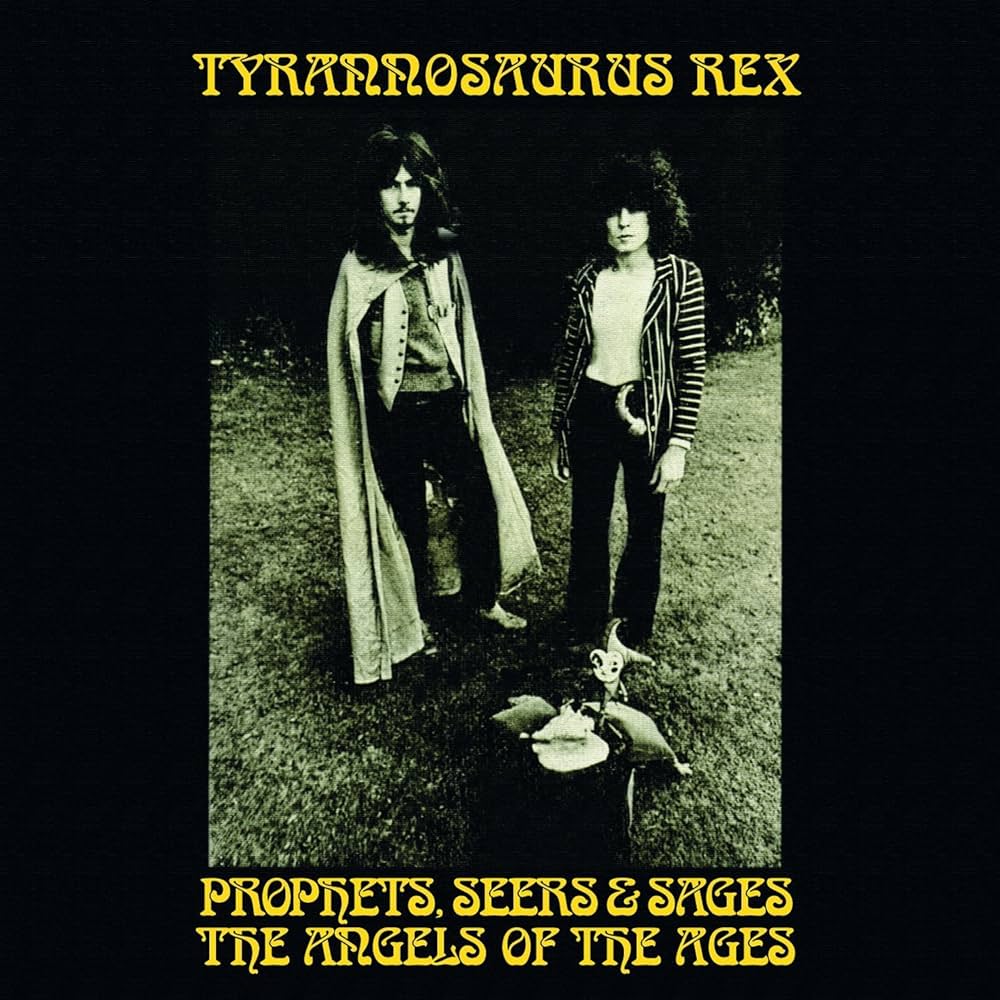
A few months after the single “Debora” became Tyrannosaurus Rex’s first Top 40 hit on the U.K. charts, the song opened the band’s second album as “Deboraarobed,” with the second half of the track played in reverse. Unfortunately, nothing else on Prophets, Seers & Sages: The Angels of the Ages has that same impish mix of pop hooks and studio experimentation. Steve Peregrin Took’s melodic accompaniment on pixiephone (a toy glockenspiel) on “The Travelling Tragition” is a soothing contrast to his furious bongo rhythms on the rest of the album.
8. A Beard of Stars (as Tyrannosaurus Rex) (1970)
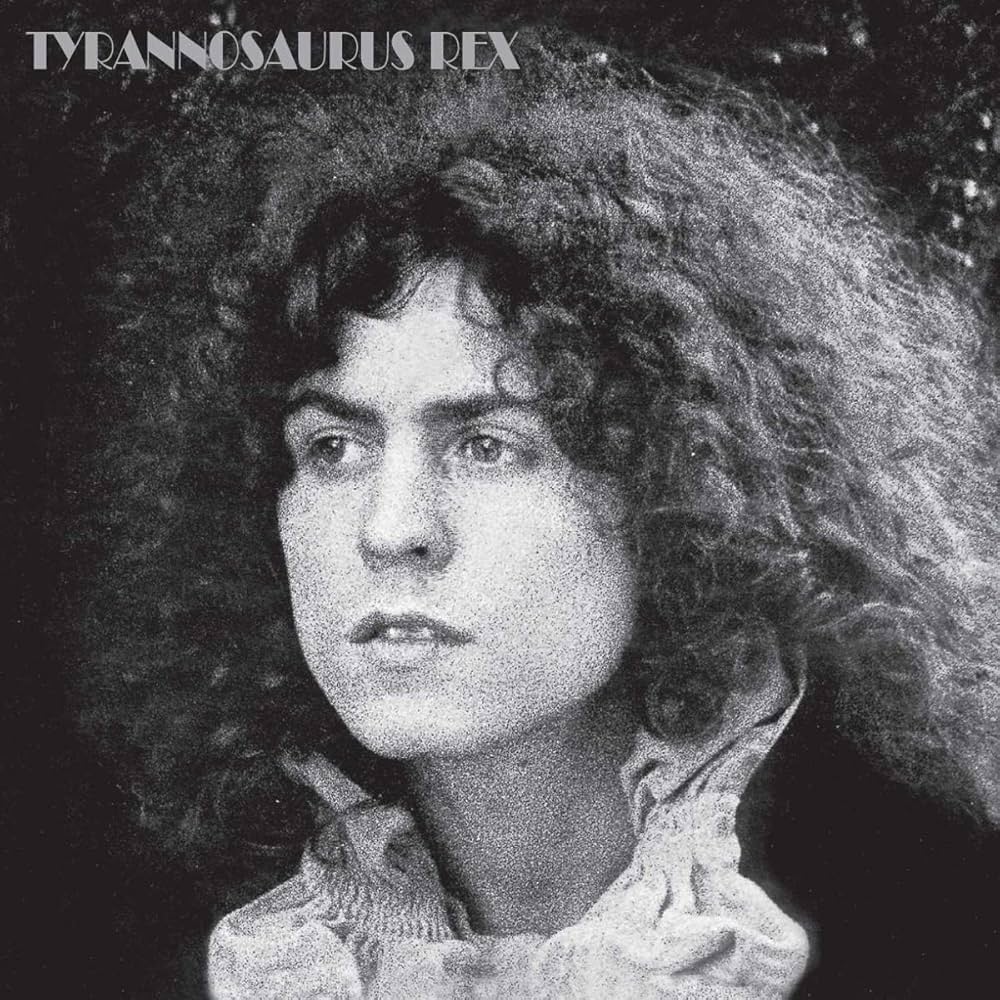
Steve Peregrin Took was replaced by Mickey Finn for Bolan’s fourth and final album under the full Tyrannosaurus Rex moniker. Crucially, Bolan also bought a Fender Stratocaster and started overdubbing more electric guitar on A Beard of Stars. On the closing track “Elemental Child,” Finn switches to bass and Bolan shreds, offering a drumless preview of the sound that would vault them to the top of the charts over the following year.
7. Zinc Alloy and the Hidden Riders of Tomorrow (as Marc Bolan & T. Rex) (1974)
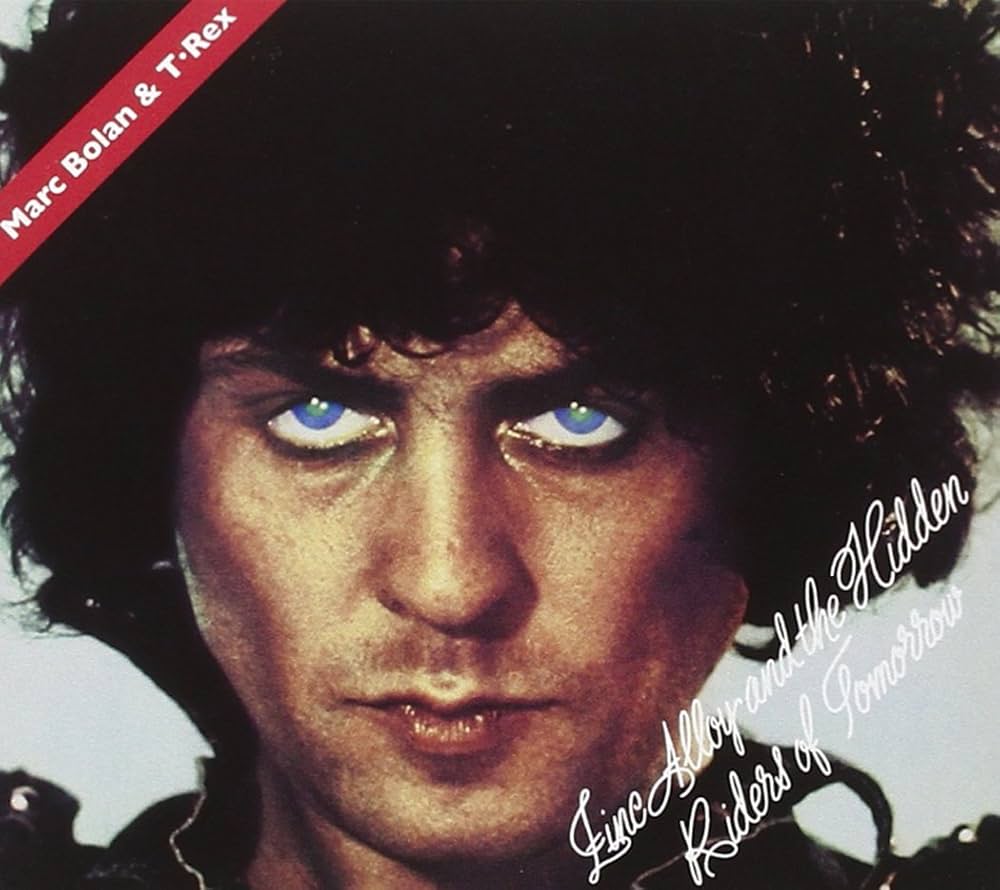
Gloria Jones, the American soul singer best known for releasing the first recording of “Tainted Love,” started touring with T. Rex as a backing vocalist in the early ’70s, and began a relationship with Bolan, giving birth to his son Rolan in 1975. Zinc Alloy and the Hidden Riders of Tomorrow, credited to Marc Bolan & T. Rex, marked the beginning of Jones providing more soulful harmonies for the band, leading their “Cosmic Choir,” as the backing vocalists were called. England’s most revered pedal steel guitarist, B.J. Cole, also adds some textures to Zinc Alloy that are distinct from every other T. Rex album.
6. T. Rex (1970)
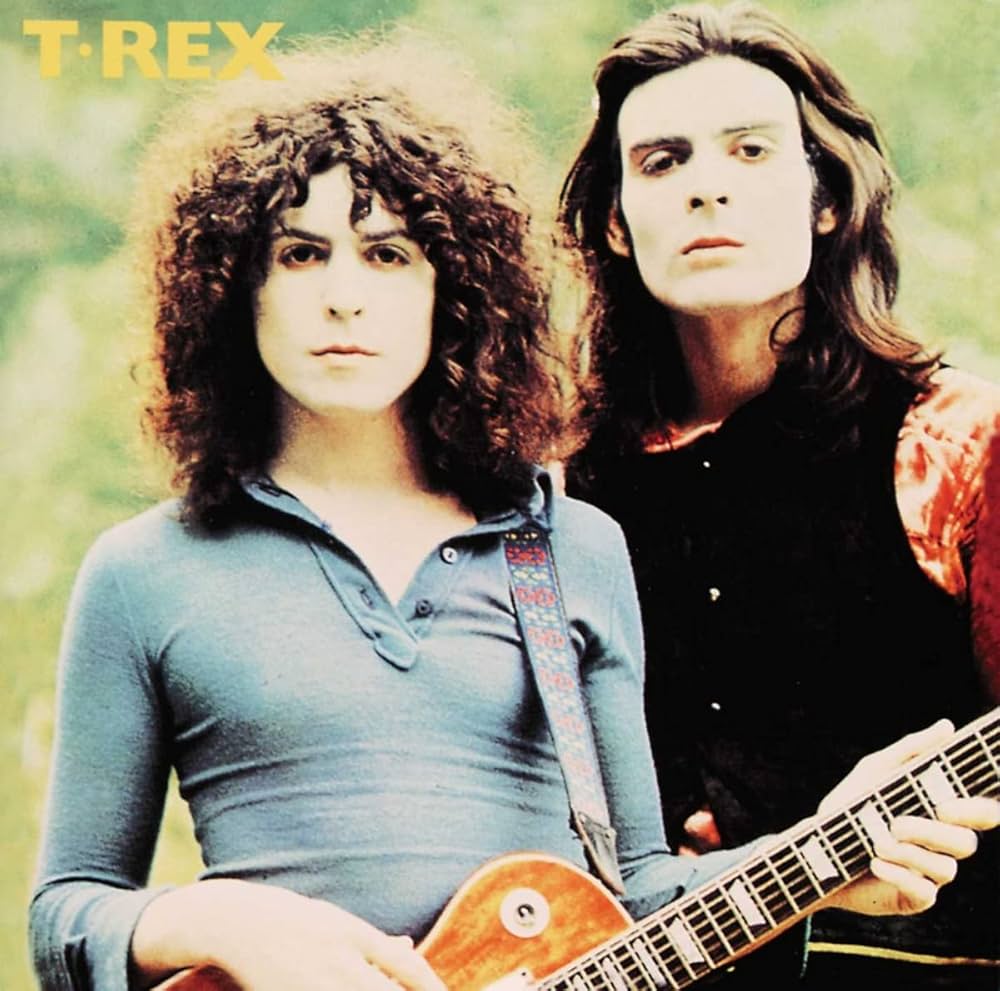
Bolan and Finn were still a duo when they first cut their name down to simply T. Rex, but their sound was increasingly punchier.“Beltane Walk” in particular gets a chugging groove going with just a tambourine and a gently tapped snare drum. Flo & Eddie, the American vocal duo best known for their work with the Turtles and Frank Zappa, provided the high harmonies on the first four T. Rex albums that became a staple of the group’s biggest hits. “Jewel” was one of several T. Rex songs that was given an unsettlingly sinister edge in the 2024 horror movie Longlegs, with Nicolas Cage playing a mysterious and terrifying character who idolized Bolan. “Bolan is clearly infatuated with mysticism, as well as the pure sounds of the English language,” Todd Everett wrote in the Rolling Stone review of T. Rex.
5. Futuristic Dragon (1976)
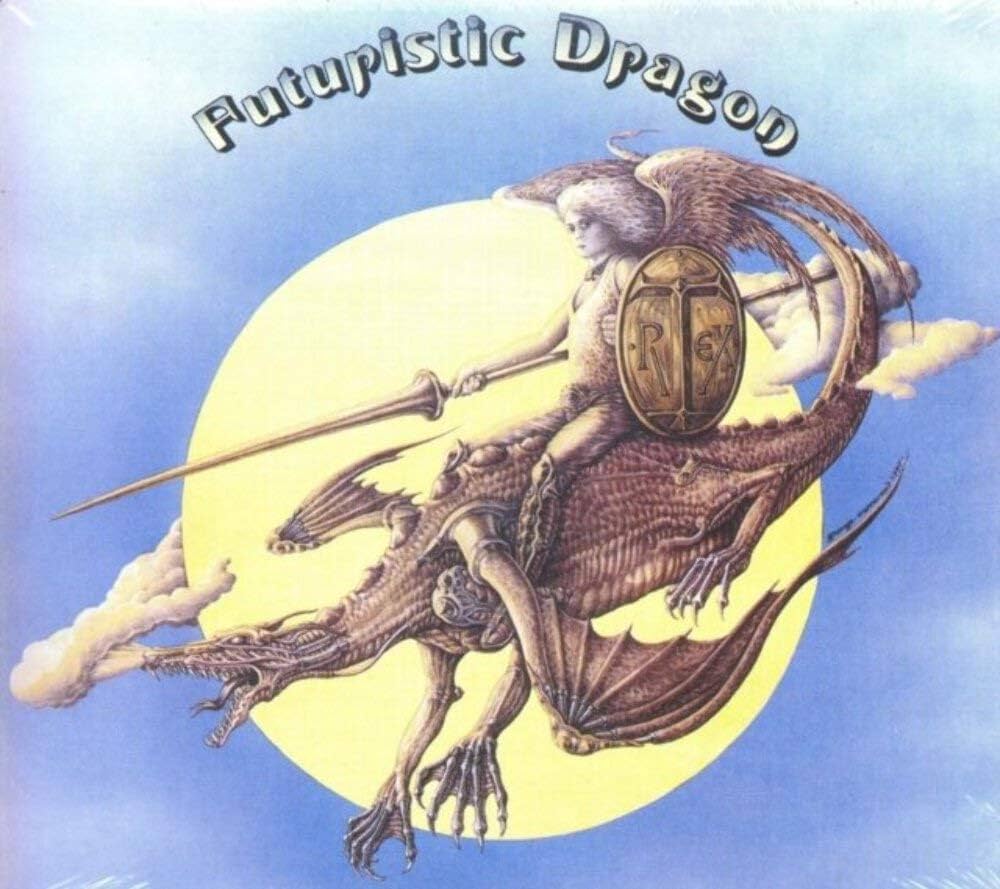
Futuristic Dragon was something of a return to the fantasy imagery of the Tyrannosaurus Rex era, with lyrics about moon maids and Zeus’s kiss, and artwork by Geroge Underwood, who also drew the cover of My People Were Fair and Had Sky In Their Hair… Musically, though, Futuristic Dragon was a continuation of Bolan’s turn towards funk and soul. In fact, the “Dreamy Lady” single was credited to “T. Rex Disco Party.” Today “Chrome Sitar” is the album’s most popular track thanks to its appearance in the 2013 film Frances Ha.
4. Light of Love (1974) / Bolan’s Zip Gun (1975)
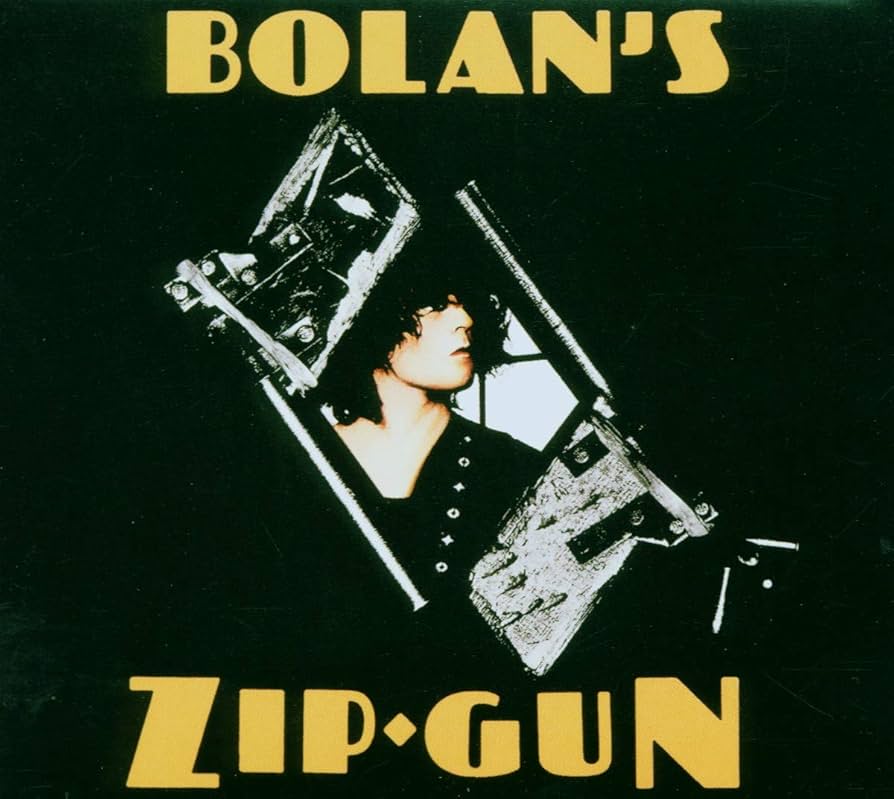
The band may have been far more popular in the U.K., but America got a taste of T. Rex’s sixth album several months before Bolan’s homeland. Eight new songs appeared on the U.S. release Light of Love with three older tracks in 1974, and the following year the definitive version of the album, Bolan’s Zip Gun, was released in England. By this point, the fickle London music press had begun to turn on Bolan, but the self-produced album is a more fully realized version of Zinc Alloy’s psychedelic soul.
3. Tanx (1973)
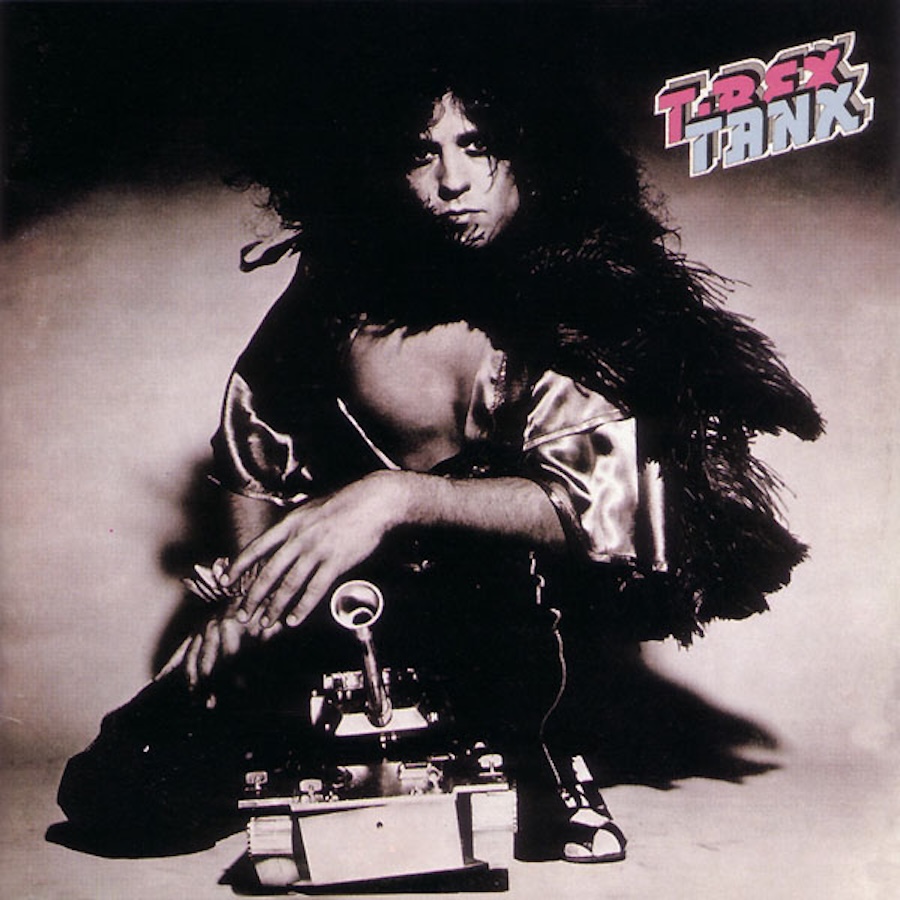
It was commonplace in British bands to release standalone singles in between LPs in the ’70s. And the non-album singles that were recorded during sessions for Tanx threatened to overshadow the album, including “20th Century Boy,” “Children of the Revolution,” and “Solid Gold Easy Action.” If those songs appeared on Tanx, it would be in serious contention for T. Rex’s best album. As it is, Tanx is still a deep cut paradise, overflowing with underrated jams like “Born to Boogie” and “The Street & Babe Shadow.” “There ain’t no lyric sheet and that, I think, is the point of Tanx. It’s the real T-Rex non-verbal boogie album,” Wayne Robins wrote in the Creem review of the album.
2. Electric Warrior (1971)
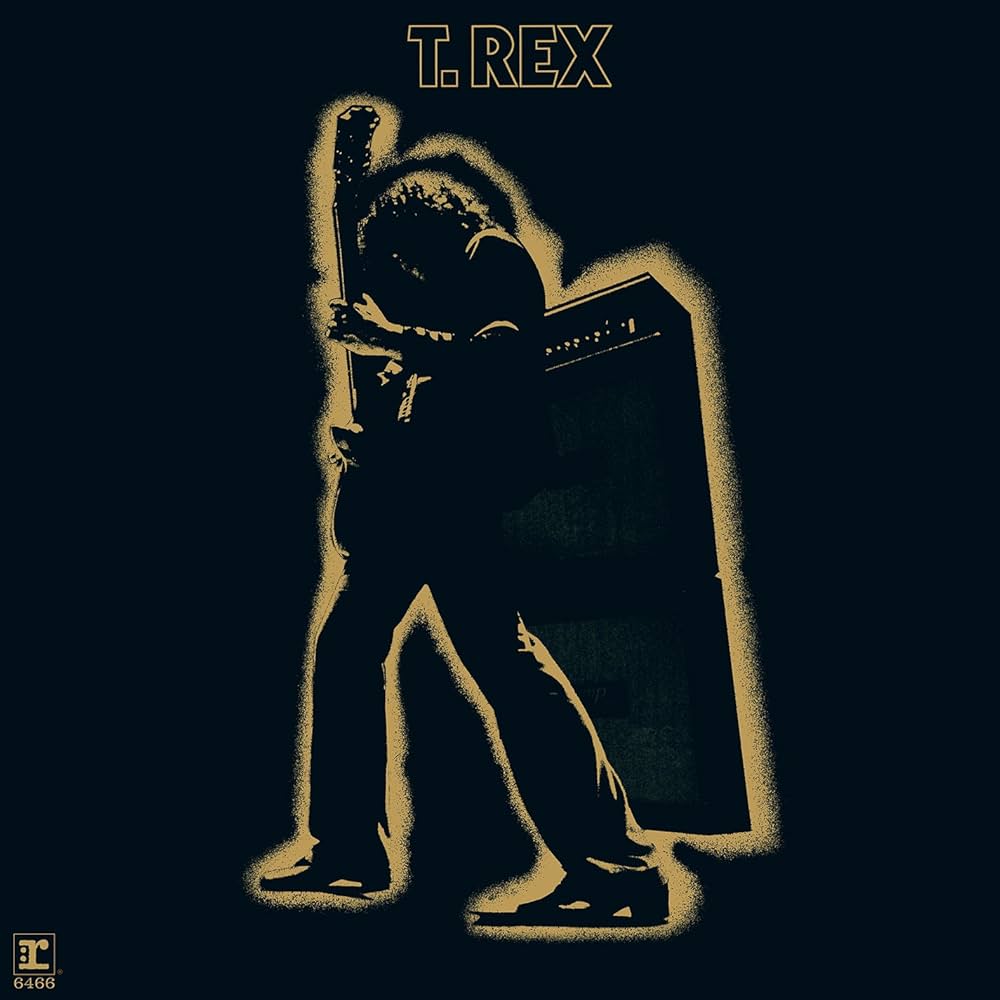
In early 1971, Bolan appeared on Top of the Pops in a shiny sailor suit with glitter on his face, codifying the look of the emerging glam rock movement. That September, T. Rex released its first album as a quartet, perhaps glam’s defining LP, with swinging grooves and thicker textures on “Jeepster” and “Get It On,” the only T. Rex song that really made waves in America. “The great ‘Bang a Gong’ extends his subject matter into the rock myth itself, which has its limits but sure beats unicorns,” Robert Christgau wrote in the Village Voice review of Electric Warrior.
1. The Slider (1972)
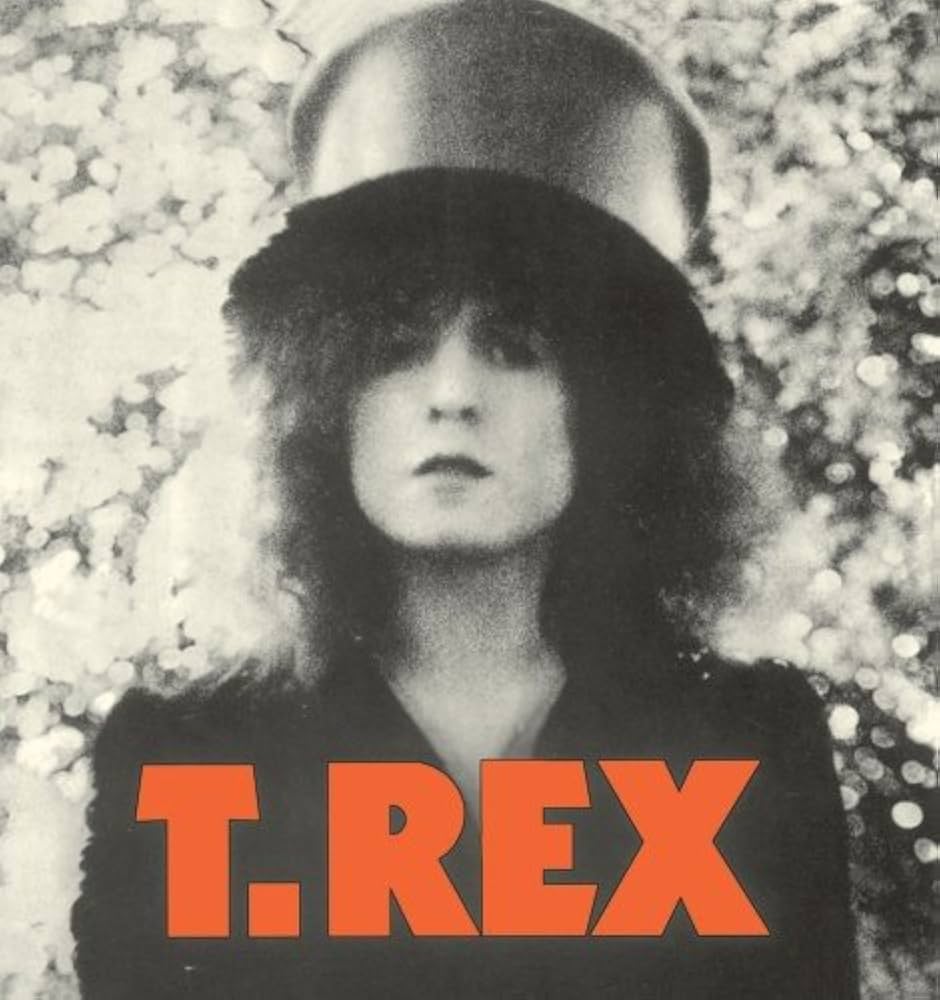
Bolan was such a massive star in England in 1972 that even the Beatles were in his thrall. John Lennon praised his lyrics while Ringo Starr directed a T. Rex documentary, Born to Boogie, during the recording of The Slider (Starr is famously credited for the album’s iconic cover photo, though Visconti has asserted that he actually took the picture). The Slider was T. Rex’s highest-charting album in the U.S., although its singles failed to continue the crossover success of “Get It On.” The album does, however, rock a little harder than Electric Warrior, and Guns N’ Roses later covered its heaviest song, “Buick MacKane.” Bolan’s signature guttural “Yeah!” that features heavily on later albums made its first appearance on songs like “Chariot Choogle” and “Baby Strange,” a dramatic contrast to his usual falsetto croon.
Leave a comment