
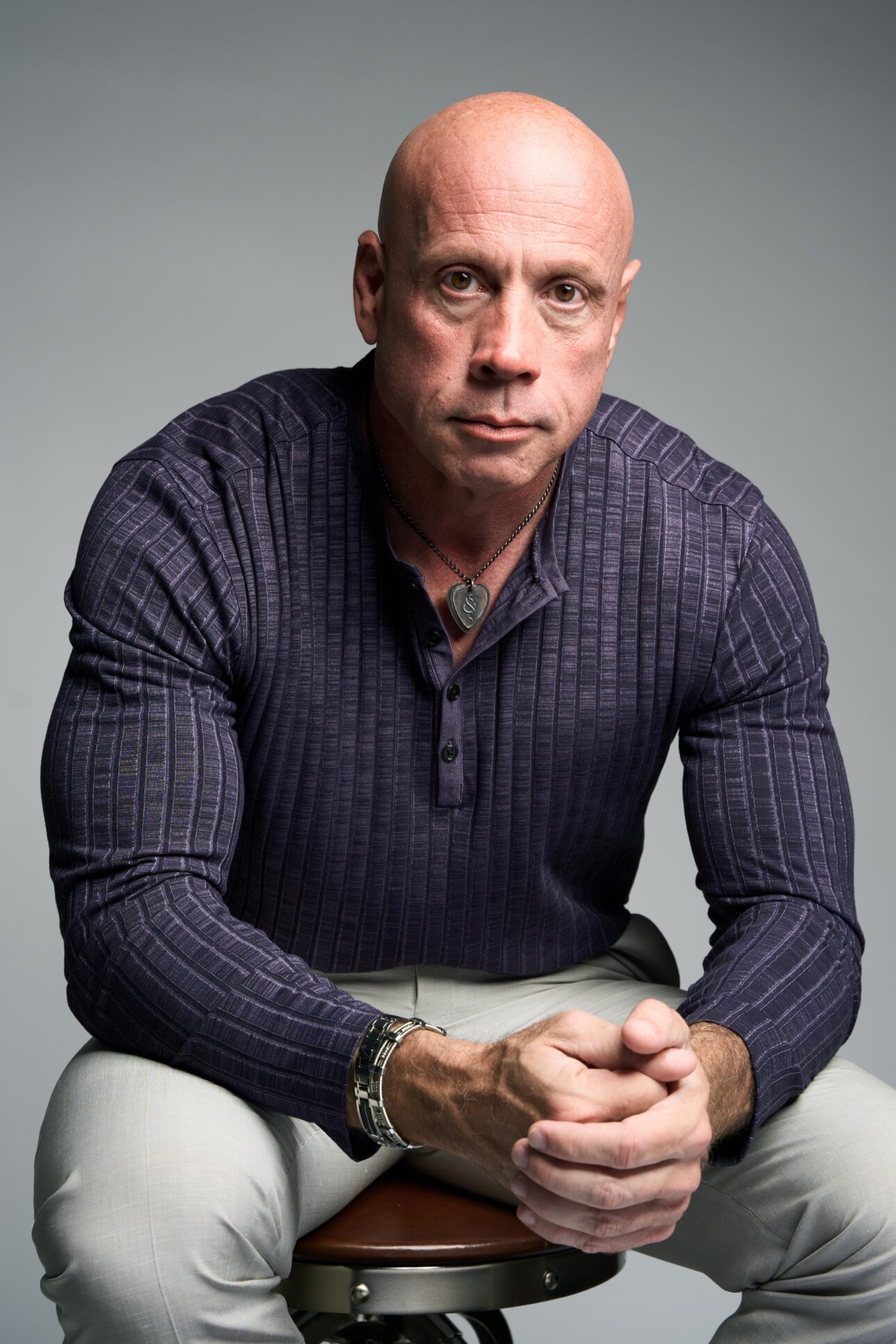
By the time Kitt Wakeley started writing Seven Seasons, he wasn’t interested in telling his own story anymore.
Instead, he wanted to tell everyone else’s.
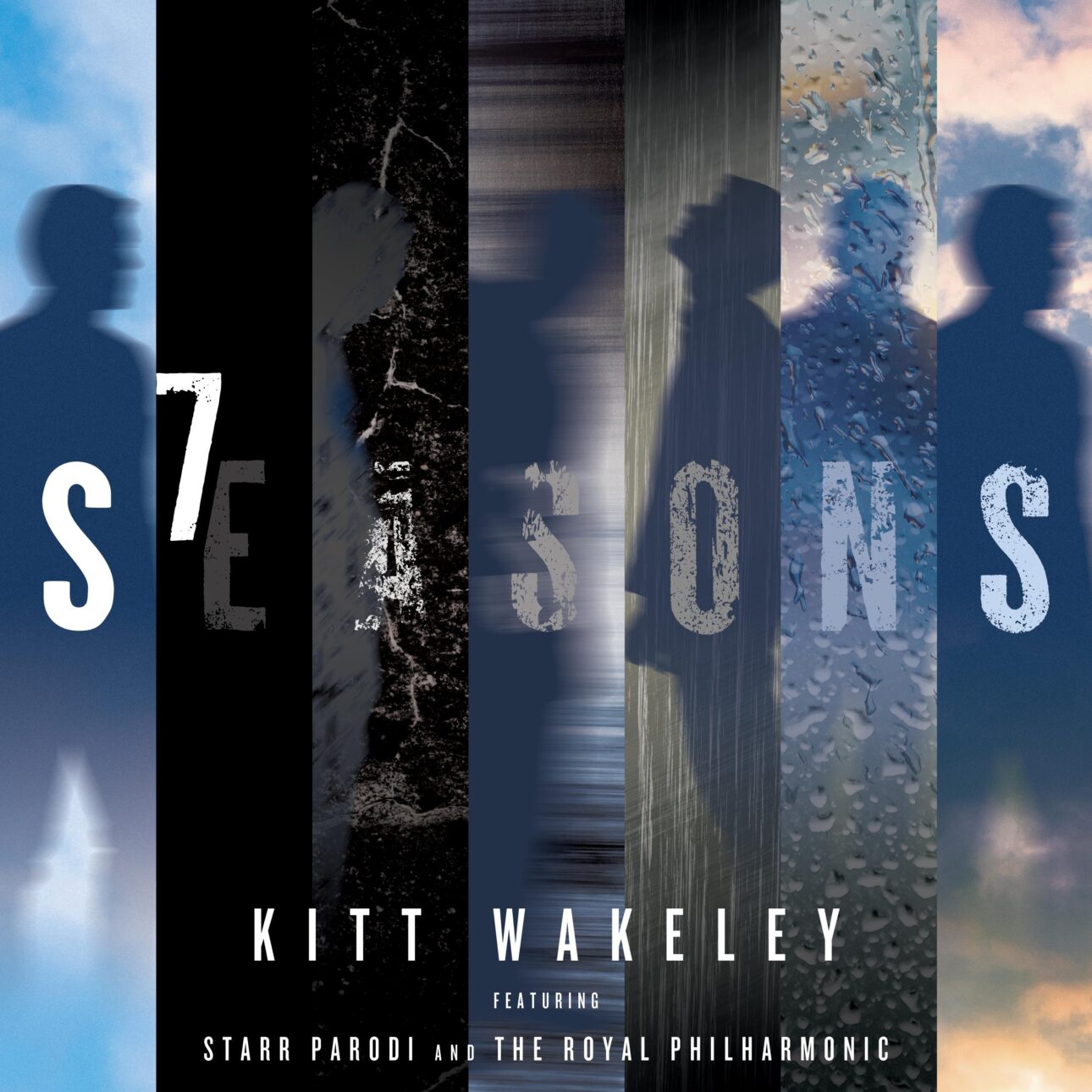
The Grammy®-nominated composer and producer – whose work spans classical, rock, Broadway, pop, and global music – has built a career on emotional ambition. But Seven Seasons, nominated this year for Best Classical Compendium Album, may be his most radical idea yet: a full-length orchestral work based not on a single narrative, but on the shared emotional architecture of human loss. To create it, Wakeley conducted 41 interviews with people who had lived through unimaginable tragedy – survivors of 9/11 and the Oklahoma City Bombing, individuals who lost family members in accidents, fires, tornadoes, or to terminal illness. Across wildly different lives and circumstances, Wakeley noticed something uncanny: every person described the same emotional progression. Seven stages. Seven seasons.
And it didn’t matter how different their stories were – the emotional journey was the same. The result is Seven Seasons: a sweeping, cinematic classical album that moves through innocence, tragedy, disbelief, confusion, questioning, reflection, and ultimately hope. Each movement feels less like a traditional composition and more like a psychological landscape, built for listeners to locate themselves inside.
Flipping the Script on Classical Music
Classical music has long been associated with tradition, formality, and emotional distance. Wakeley’s work does the opposite.
“As creatives, we often tell our stories with our music based on our experiences,” he explains. “With Seven Seasons, I wanted to flip the script and write from the listener’s experience instead.”
That listener-first philosophy has become Wakeley’s calling card – and a reason his work resonates far beyond classical audiences. His albums often feel closer to film scores than concert hall staples, shaped by storytelling instincts honed across genres. It’s also why Seven Seasons arrives as the emotional centerpiece of an unusually prolific Grammy season for Wakeley. In addition to the Compendium nomination, he earned five more nominations as a producer, spanning Classical vocal, choral, instrumental, and chamber categories — a rare feat that underscores his influence behind the scenes. Yet Seven Seasons is clearly not about acknowledgment. It’s about validation that this kind of work, deeply human, emotionally vulnerable work, still has a place.
“The nomination is meaningful to me because it’s a reflection of the work behind the music – the hours, the collaborators, and the belief in the album’s vision,” Wakeley said. “This was an opportunity to honor those who’ve faced tragedy in their lives and now have a story to tell. It’s a reminder that when you lead with authenticity and craft, the music can truly connect.”
From Orchestras to Rock Icons to Broadway History
Wakeley’s career defies clean categorization. He has collaborated with elite orchestras like the London Symphony Orchestra and Royal Philharmonic, while also working with rock guitar legends Joe Satriani and Nuno Bettencourt. His projects have sold out Carnegie Hall, filled major civic centers, and topped Billboard charts – seven times. In 2024, he produced Broadway star Aaron Lazar’s Grammy®-nominated album Impossible Dream, featuring Sting, Josh Groban, Kristin Chenoweth, Neil Patrick Harris, Lin-Manuel Miranda, and more. The album’s finale featured over 40 Broadway legends and was dubbed the “We Are the World of Broadway.” In 2025, Wakeley joined the University of Oklahoma as an adjunct professor in the College of Fine Arts, Artist Management Program, sharing real-world industry experience with emerging artists.
Why Seven Seasons Matters
At a time when collective trauma feels constant, Seven Seasons arrives not just as a Classical album, but as a shared emotional language. It doesn’t tell listeners what to feel, it simply acknowledges where they might be.
“I’m always inspired by sincerity and emotional connection, but with this album I wanted to write from the listener’s perspective rather than my own. I focused on shared human experiences – moments of vulnerability, reflection, and resilience – and asked how the music could recreate those emotions in a way that truly adds value to the listener’s life. The most common theme we all identify with is ‘love’, but that theme has been covered since the beginning of time. I wanted something deeper and not so commercial, so I eventually landed on the sphere of tragedy and the journey we all go through before, during and after.”
Wakeley wanted people to hear themselves in this album. Whatever season they’re in.
Kitt’s Grammy-nominated album can be streamed here.
Leave a comment