
Aaron Shaw is one of the “Friends” in Carlos Niño and Friends, and the song titles on the saxophonist and flautist’s new album reflect some the vibey California positivity of that Los Angeles percussionist’s crew: “The Path to Clarity,” “Echoes of the Heart,” “Jubilant Voyage,” “Inner Compass.” Niño shows up to do his customary rattling, tinkling shaman thing on several tracks, and helped record a chunk of the record. But Shaw goes for something darker and less touchy-feely on his debut as a leader than its New Age trappings would suggest.
And So It Is does have traces of the warm, atmospheric jazz that’s emerged from the West Coast in recent years. Opener “Soul Journey” features Shaw’s gentle bass clarinet, flute, and sax, all floating together in a velvety haze. When Niño’s fair-trade organic rustles and Merci B’s harp manifest, all the markers of neo-spiritual jazz have been hit. But at just about the halfway point, Lawrence Shaw’s (Aaron’s brother) bass kicks in and Niño plays a traditional drumbeat. The harp doesn’t go away (and cello by Kiernan Wegler enters the picture), but the “journey” has definitely shifted, becoming less an ambiguous escape and more of a determined trek. In Shaw’s world, beauty doesn’t effortlessly coalesce or smoothly flow—it must be sought, wrestled with, and painstakingly pinned down.
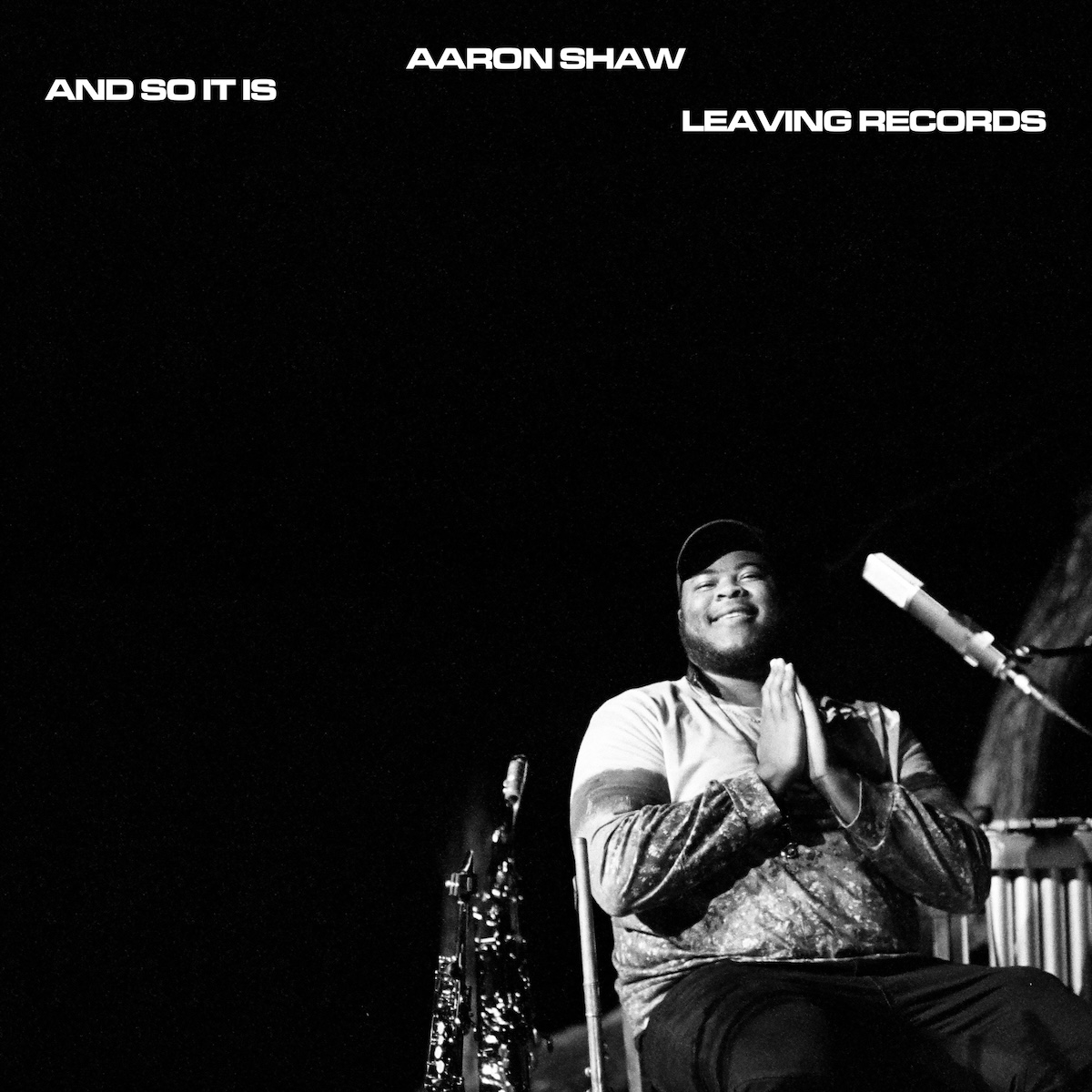
In 2023, Shaw was diagnosed with bone marrow failure, a condition that required extensive medical treatment and affected his ability to breathe. And So It Is acts as a log of his illness and recovery, and though it is ultimately the product of healing, it doesn’t shy away from pain and loss. Shaw’s treatment of Chick Corea’s “Window,” (here titled “Windows to the Soul”) is emblematic; while Corea’s original has a boisterous rhythmic verve, Shaw plays it with a delicate hesitancy, his statement of the melody nearly dissolving into a grainy whisper. Yet the core buoyancy of the tune remains, despite the palpable melancholy with which Shaw and pianist Sam Reid suffuse it. Elsewhere, Shaw works with shape-shifting guitarist Nate Mercereau (who plays in the Openness Trio with Niño and Josh Johnson) to create layered, fuguelike songs like “The Path to Clarity” with darting flute snippets, percussive flurries, and dense digital effects. Clarity might be Shaw’s destination, but his route toward it runs through a complex thicket.
Shaw can also play it fairly straight. On “Echoes of the Heart,” his yearning tenor sax line boasts a bluesy toughness, and though he sticks to a fairly languid tempo, it still feels like he’s tapping a deep well of strength. On “Jubilant Voyage,” Shaw uses two flutes—one ocarina and one metal flute—at first evoking tropical birds (think Herbie Hancock’s “Watermelon Man”), and later mimicking the whistle of a train. Over broken-glass accompaniment from Niño, Shaw works up a steady, unceasing stream of notes, as if doggedly pushing himself forward over rough terrain. It’s the longest stretch of playing by him until the tail end of the next song, “Jubilant Voyage,” in which he unspools a knotty sax duet with Jamael Dean’s blocky, unpredictable piano. It’s not pretty or reassuring, but its rough-hewn beauty brings a different kind of comfort. By the time you reach the end of And So It Is, you will have a good sense of how hard Shaw had to work and what he had to endure to reach that place of repose.
Leave a comment