
In the summer of 1985, Queen seized the world’s attention with their Live Aid set, and Freddie Mercury commanded the entire crowd at Wembley Stadium to clap their hands in unison to “Radio Gaga.” Eight-and-a-half months later in the spring of 1986, Stefani Joanne Angelina Germanotta was born on the Upper East Side of Manhattan, almost as if she had literally been conceived by the song that would eventually inspire her stage name, Lady Gaga.
Germanotta began singing and performing at a young age, and so openly aspired to stardom that some resentful college classmates began a Facebook group named “Stefani Germanotta, you will never be famous.” A few short years later, she proved that prediction wrong in the most dramatic way possible, topping the Hot 100 with her first two singles as Lady Gaga, “Just Dance” and “Poker Face,” in 2009.
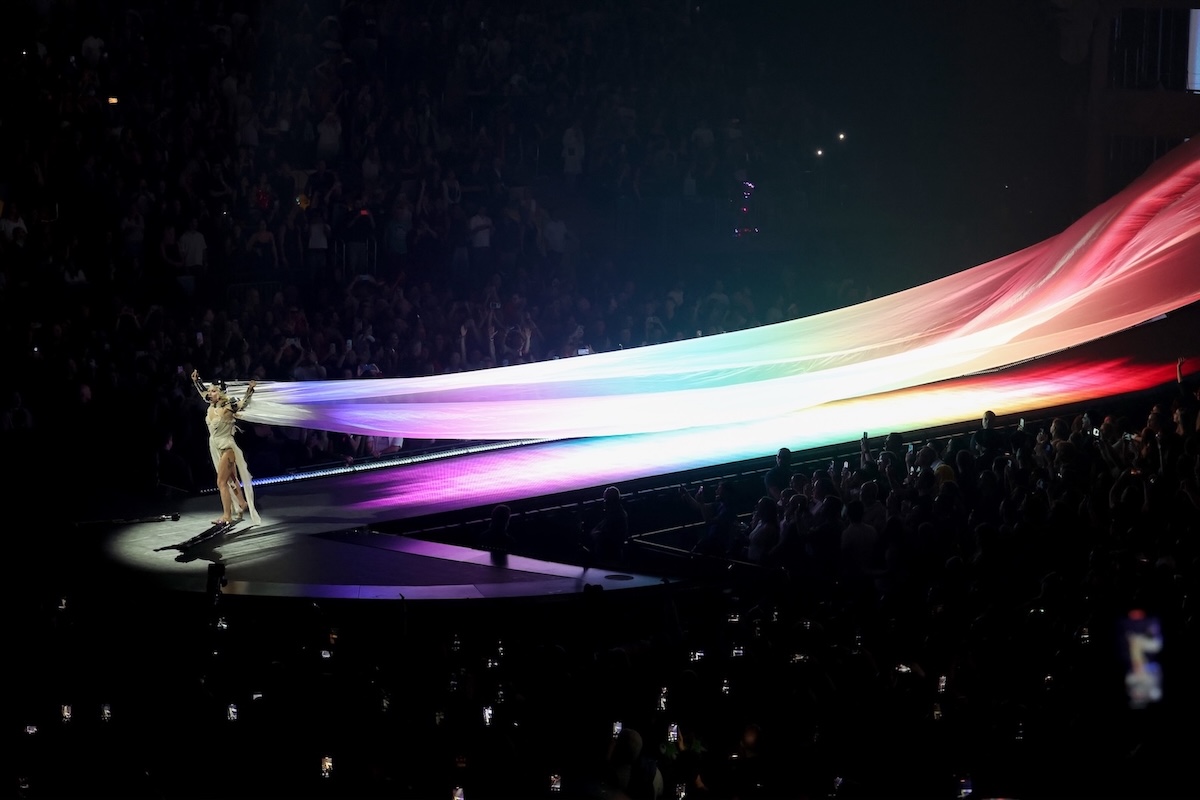
While most of the female pop stars of her generation had relatable girl-next-door images, Lady Gaga’s arrival felt like a cultural reset, as she stood out with her campy theatricality, wildly imaginative music videos, and playfully strange songwriting. But Gaga also turned out to be an old-fashioned triple threat actor/singer/dancer, garnering an Oscar nomination for her role in 2018’s A Star is Born and recording two albums of duets with Tony Bennett.
Gaga won two Grammy Awards earlier this month for her 2025 album Mayhem, bringing her career total to 16 Grammys. The next string of American dates of The Mayhem Ball begin in Glendale, Arizona on February 14. Where does Mayhem rank in Gaga’s catalog?
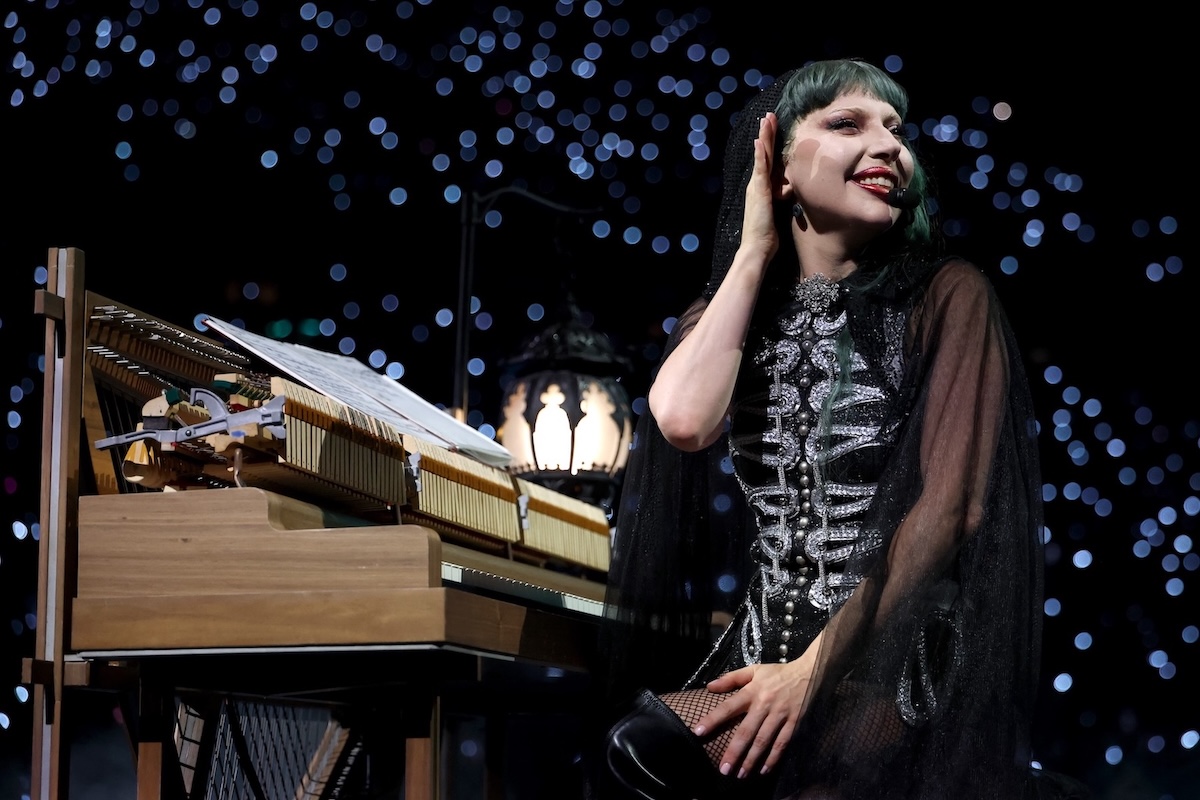
18. Joker: Folie à Deux (Music From The Motion Picture) with Joaquin Phoenix (2024)
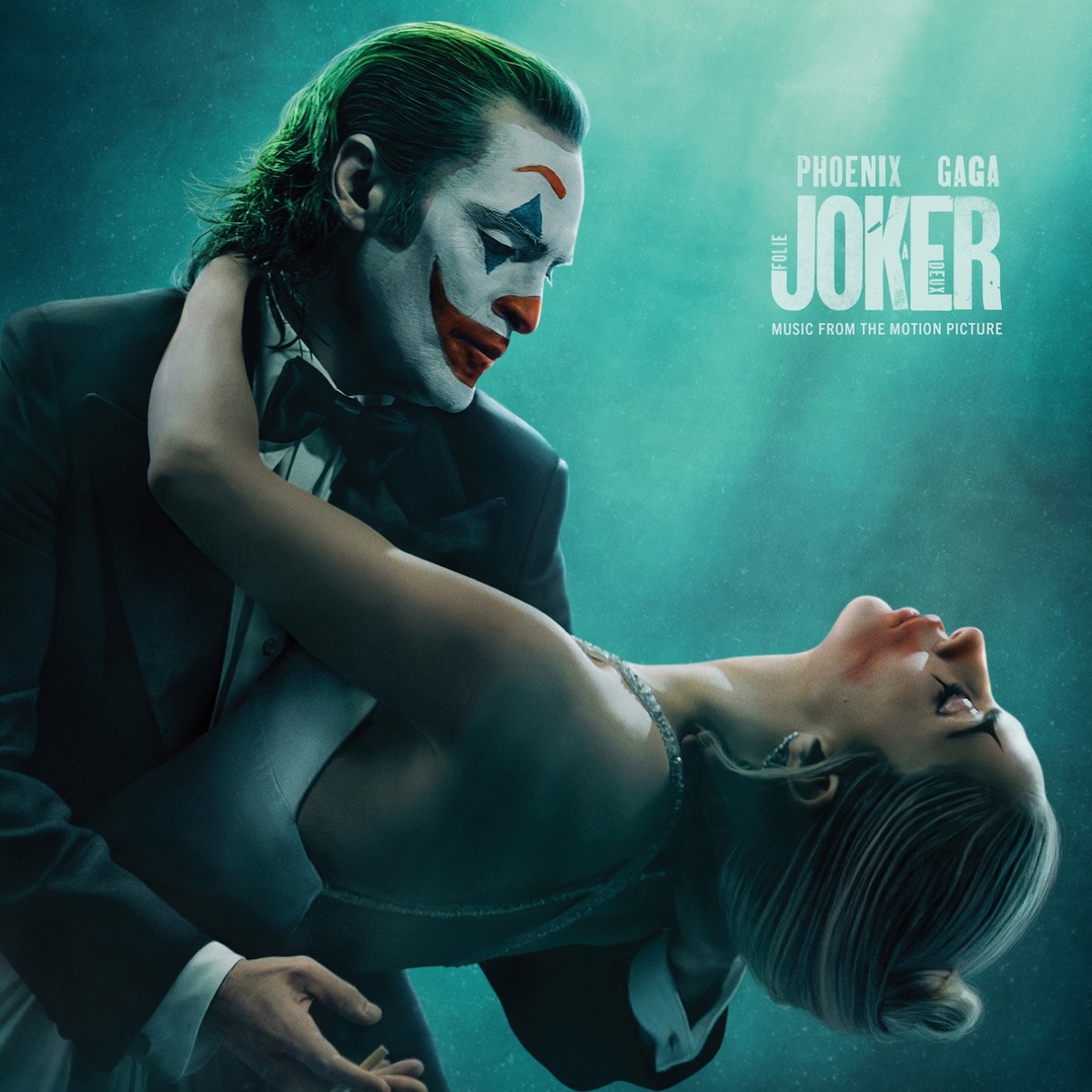
The 2019 Todd Phillips film Joker, starring Joaquin Phoenix as the most famous villain in the DC Comics universe, was a massive, Oscar-winning blockbuster. Phoenix is no stranger to singing on film, having done his own vocals in the Johnny Cash biopic Walk the Line, but making the sequel to Joker a musical was a big, ambitious swing, and casting Lady Gaga as Phoenix’s sidekick Harley Quinn seemed like a shrewd idea. But Joker: Folie à Deux was ultimately a dud, and the deliberate clash of tones between the violent plot and the music, with Phoenix and Gaga singing showtunes all over Arkham Asylum and Gotham City, gets old fast. The soundtrack album peaks early with a big band medley by Nick Cave, and Phoenix’s nasal honk is even harder to listen to once removed from the context of the film. The most interesting moments on the album are when Gaga really gets into character and sings “That’s Entertainment!” and “I’ve Got the World on a String” more like an unhinged criminal than a seasoned pop star.
17. Harlequin (2024)
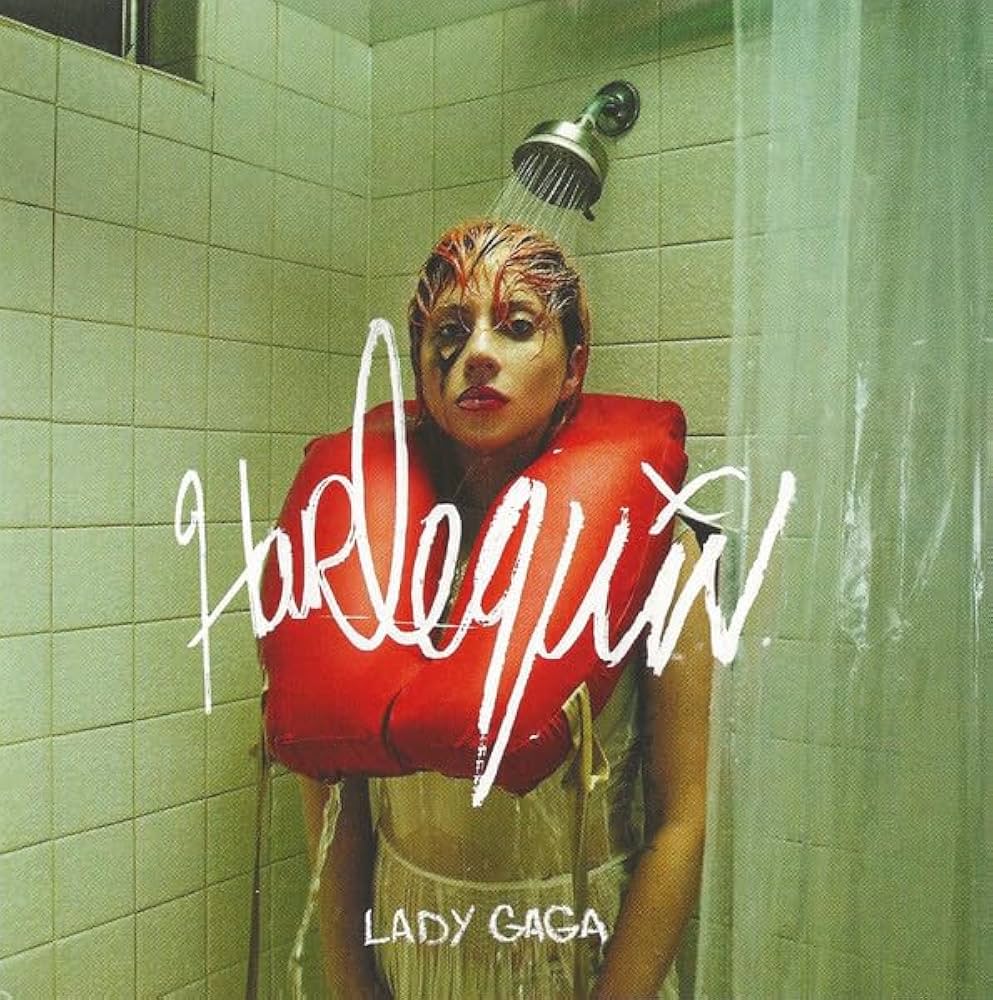
A week before Joker: Folie à Deux and its proper soundtrack album came out, Gaga treated fans to the surprise release of her “companion album,” Harlequin. With different takes of songs from the film, more selections from the great American songbook, and a pretty good original composition, “Happy Mistake,” Harlequin feels a bit more like a collection of vocal exercises than a complete artistic statement. “Gaga, ostensibly inspired by her character in Joker: Folie à Deux, imbues these performances with a mania that’s as calculated as it is purposeful,” Sal Cinquemani wrote in the Slant Magazine review of Harlequin.
16. Live from the Apollo (as Broadcast on SiriusXM) EP (2019)
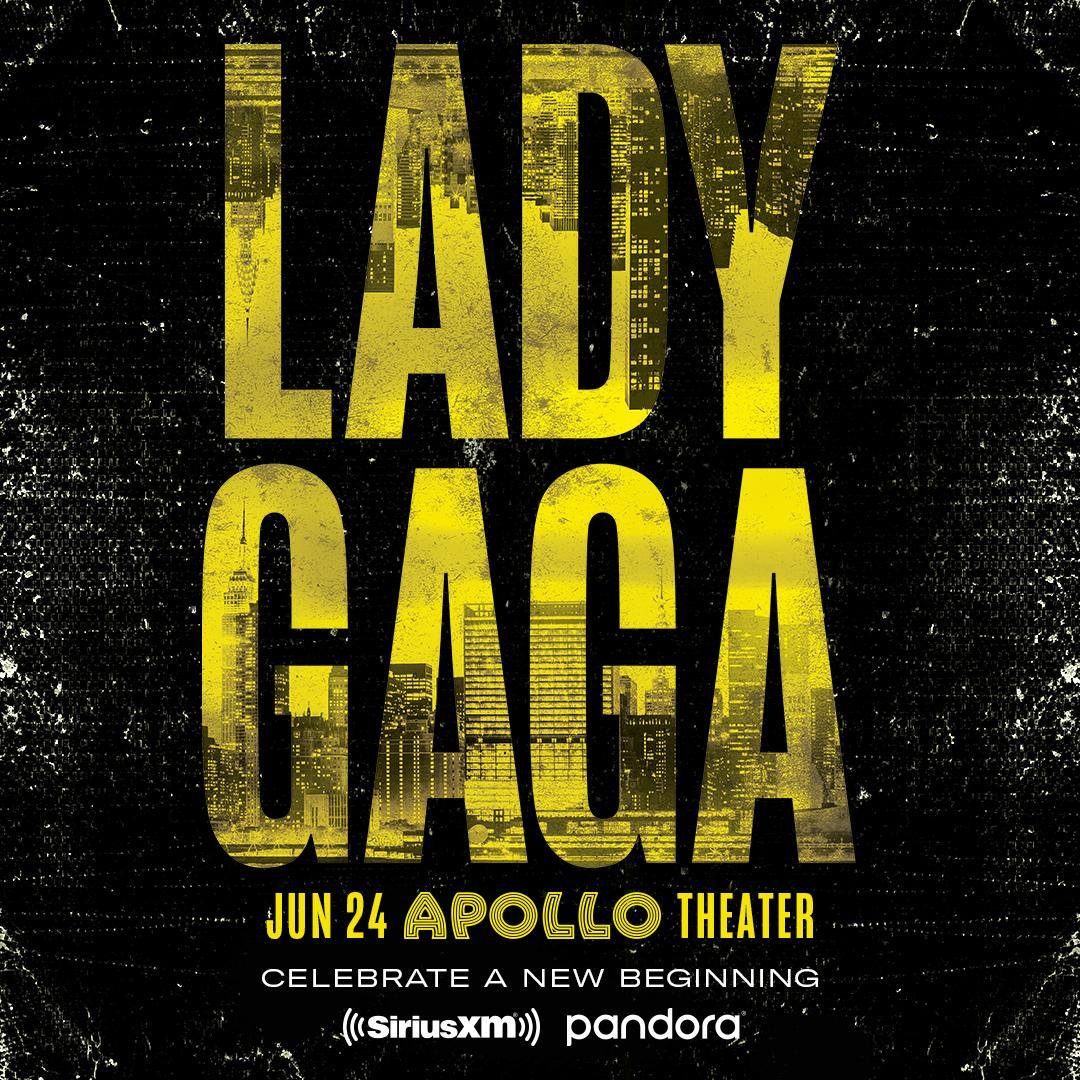
When the internet radio giants SiriusXM and Pandora merged in June 2019, the corporate marriage was celebrated with a livestreamed Lady Gaga concert at the legendary Apollo Theater in Harlem. Only three songs from the show were released as an EP, and they don’t include the best moments of the night. But as both a New York homecoming and one of Gaga’s most intimate concerts since her rise to superstardom, the brief release crackles with excitement.
15. A Very Gaga Holiday EP (2011)
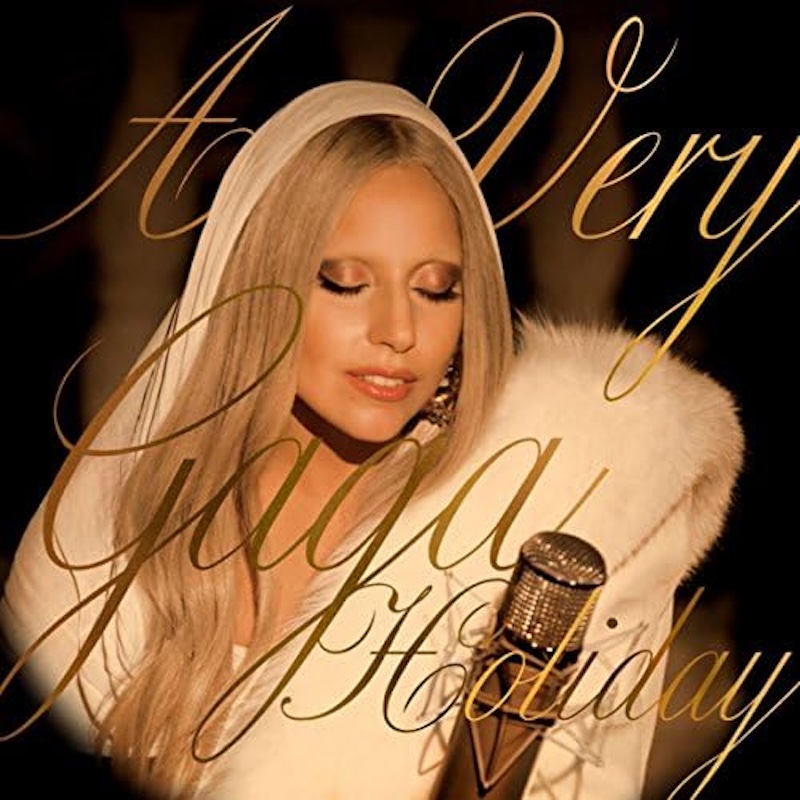
Lady Gaga began her metamorphosis into an old school all-around entertainer with a primetime TV special, A Very Gaga Thanksgiving, on ABC in 2011. On the four-song EP of highlights from the broadcast, Gaga resurrects the relatively forgotten Nat King Cole hit “Orange Colored Sky,” and laments that “White Christmas” only has one verse before extending the song with her own newly written second verse. A Very Gaga Holiday also includes perhaps the best recording of the elegantly simple piano-driven arrangement of “You and I” that Gaga frequently performed before recording the overproduced version on Born This Way.
14. The Cherrytree Sessions EP (2009)
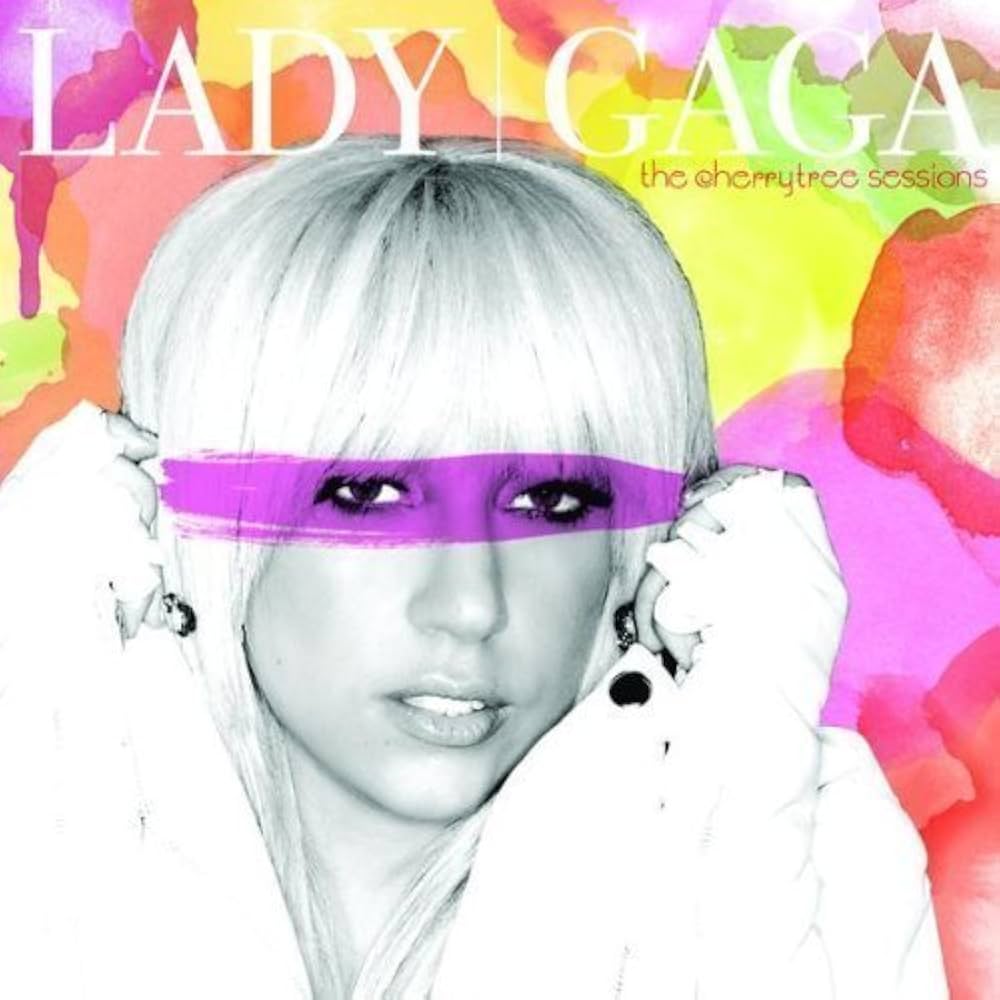
Interscope A&R executive Martin “Cherry Cherry Boom Boom” Kierszenbaum and his label and management firm Cherrytree Music Company were instrumental in Lady Gaga’s rise to stardom, and she shouted out his stage name on collaborations like “Eh, Eh (Nothing Else I Can Say).” In February 2009, just as The Fame was really starting to move units, Gaga released The Cherrytree Sessions, a brief live performance recorded in Cherrytree’s offices. Gaga being able to play a dance pop banger like “Poker Face” as a solo piano piece like a cabaret singer was a big part of what made her an appealingly unique performer early on, and the Cherrytree Sessions version of the song was sampled a few months later on the Kid Cudi hit “Make Her Say.”
13. The Remix (2010)
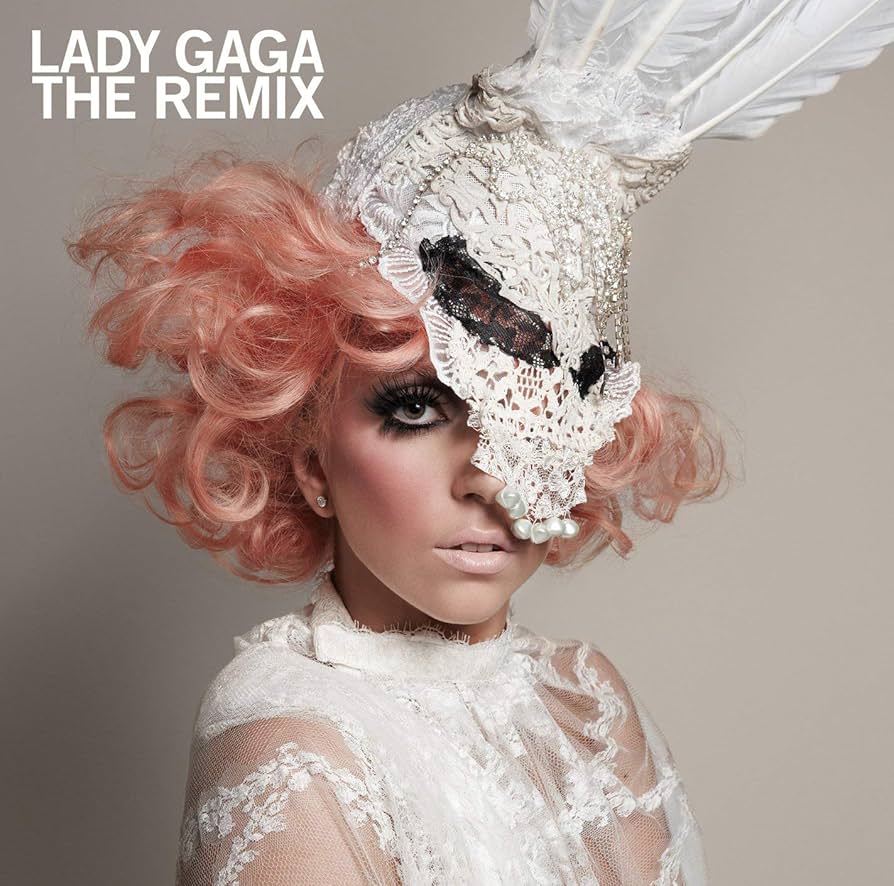
Released at a moment when Gaga’s music seemed to be the soundtrack of almost every dancefloor in the world, The Remix debuted at No. 6 on the Billboard 200 and became one of the best-selling remix albums of all time. Shock rocker Marilyn Manson’s guest appearance on “LoveGame (Chew Fu Ghettohouse Remix)” is the most memorable moment on The Remix, while the indie pop band Passion Pit puts a fidgety, infectious spin on “Telephone.” “The best cuts — such as Starsmith’s retro-’80s take on ‘Bad Romance’ and a haunting version of ‘Paparazzi’ by Madonna collaborator Stuart Price — emphasize the contradiction at the core of Gaga’s hits, in which jubilant Eurodisco grooves can’t quite conceal a touch of stage-kid melancholy,” wrote David Browne in the Entertainment Weekly review of The Remix.
12. Born This Way: The Remix (2011)
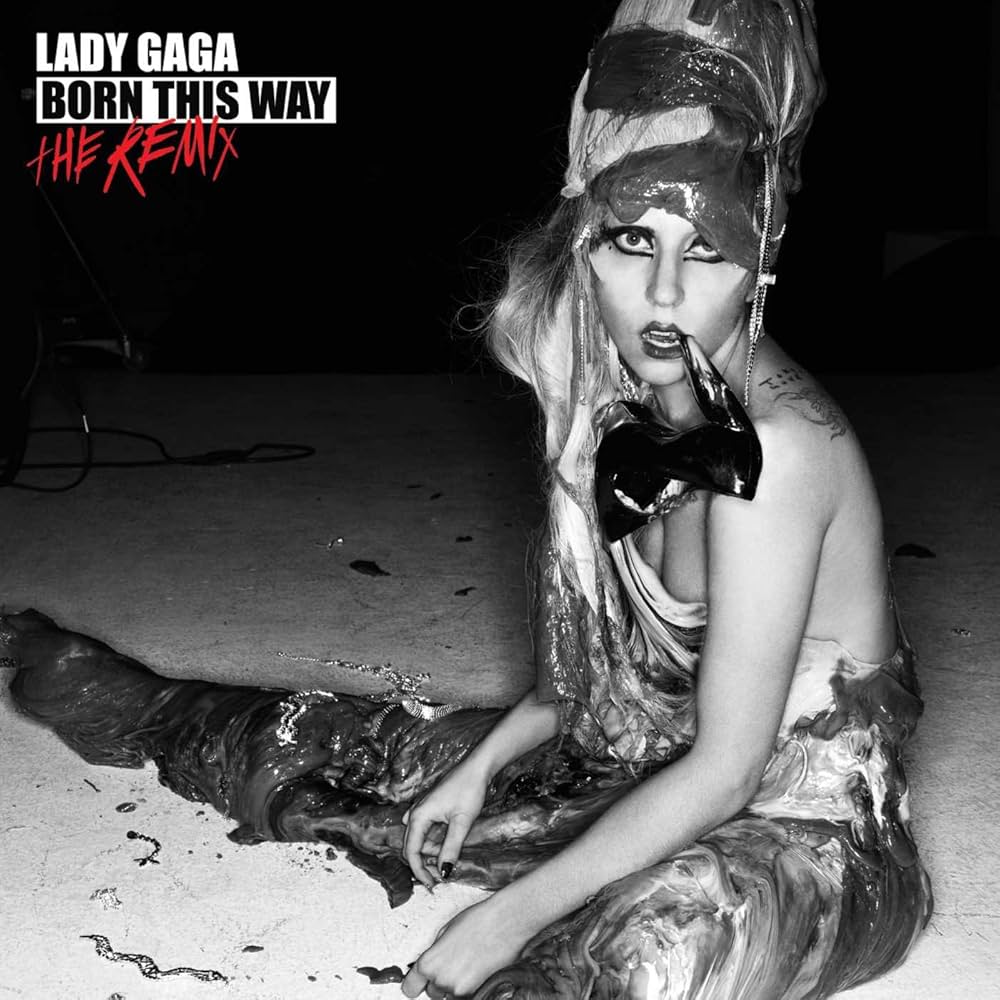
Born This Way is a great album, but less consistently danceable than Gaga’s other early records. Born This Way: The Remix succeeds in making most of the songs more disco-ready, although “Judas (Goldfrapp Remix)” turns the album’s fastest single into an ominous slow grind to great effect. Both Zedd and Twin Shadow take turns remixing Born This Way’s title track, and both are creative, satisfying reworks of a hit that has lost some of its luster over the years.
11. Love for Sale with Tony Bennett (2021)
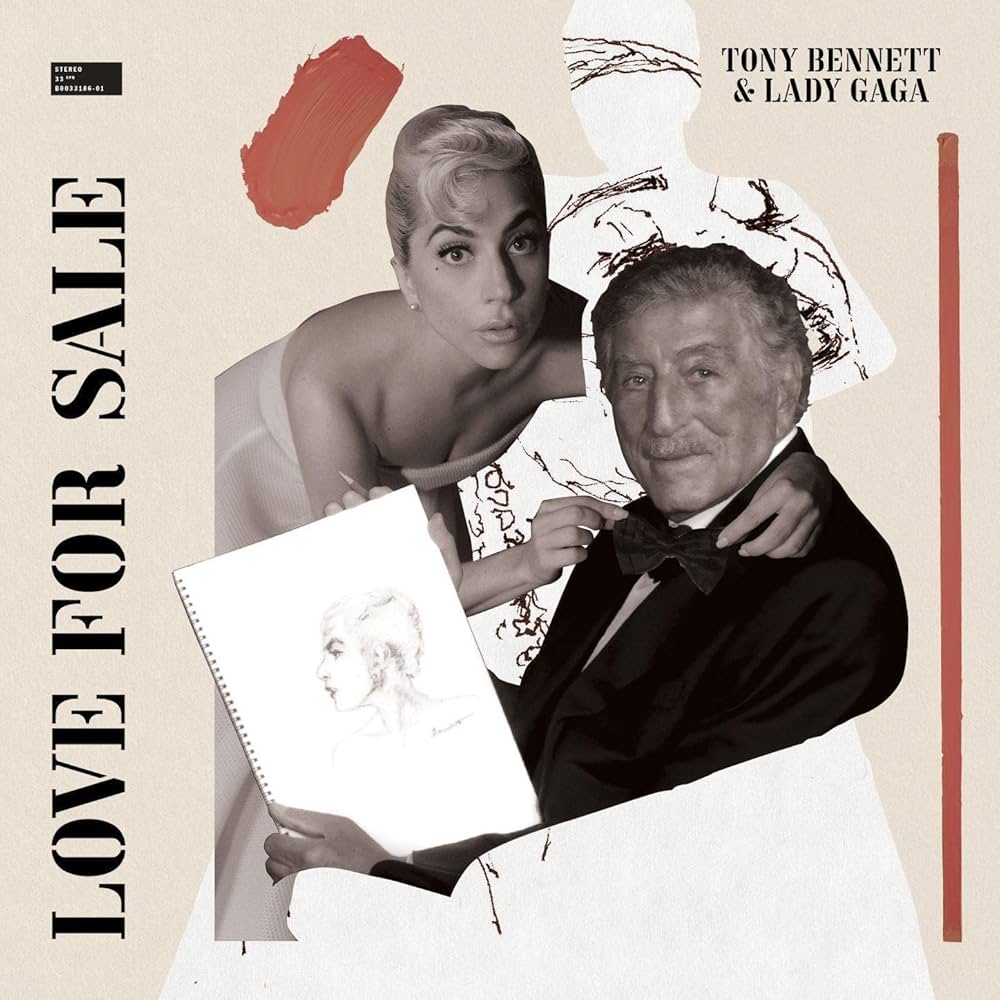
Tony Bennett’s remarkable career stretched across eight decades, and the touching final chapter was his second album of duets with Lady Gaga, released less than two years before his death. Continuing to sing regularly after his Alzheimer’s diagnosis helped stimulate Bennett’s brain and slow the disease’s effects on his memory, and Gaga was at his side for his farewell performances and last album, a collection of Cole Porter classics. So while Bennett’s vocal performances are weaker on Love for Sale than 2014’s Cheek to Cheek, the album radiates with the warmth of Bennett and Gaga’s intergenerational friendship and the poignant context of the sessions.
10. Dawn of Chromatica (2021)
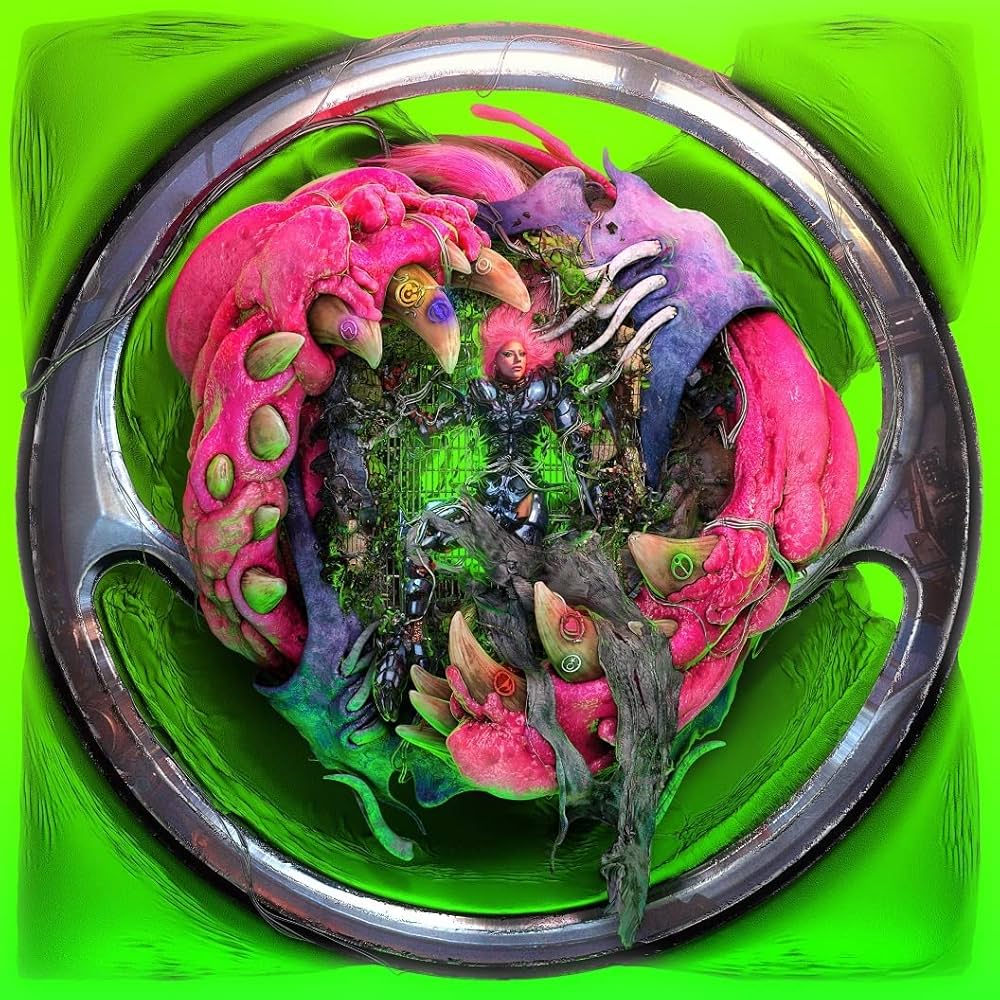
Hyperpop, a glitchy and postmodern genre fomented by U.K. producers in the 2010s, always seemed to exist downstream from Lady Gaga’s more audacious songs. So it felt fairly natural for artists associated with hyperpop and other experimental dance scenes, such as A.G. Cook, Charli XCX, Arca, Dorian Electra, and Clarence Clarity, to dominate the remix collection that followed Gaga’s 2020 album Chromatica. If anything, the busier, noisier sound of the Dawn of Chromatica remixes actually matches the cyberpunk concept album trappings of Gaga’s songs better than the more conventional pop aesthetic of the original tracks.
9. A Star is Born with Bradley Cooper (2018)
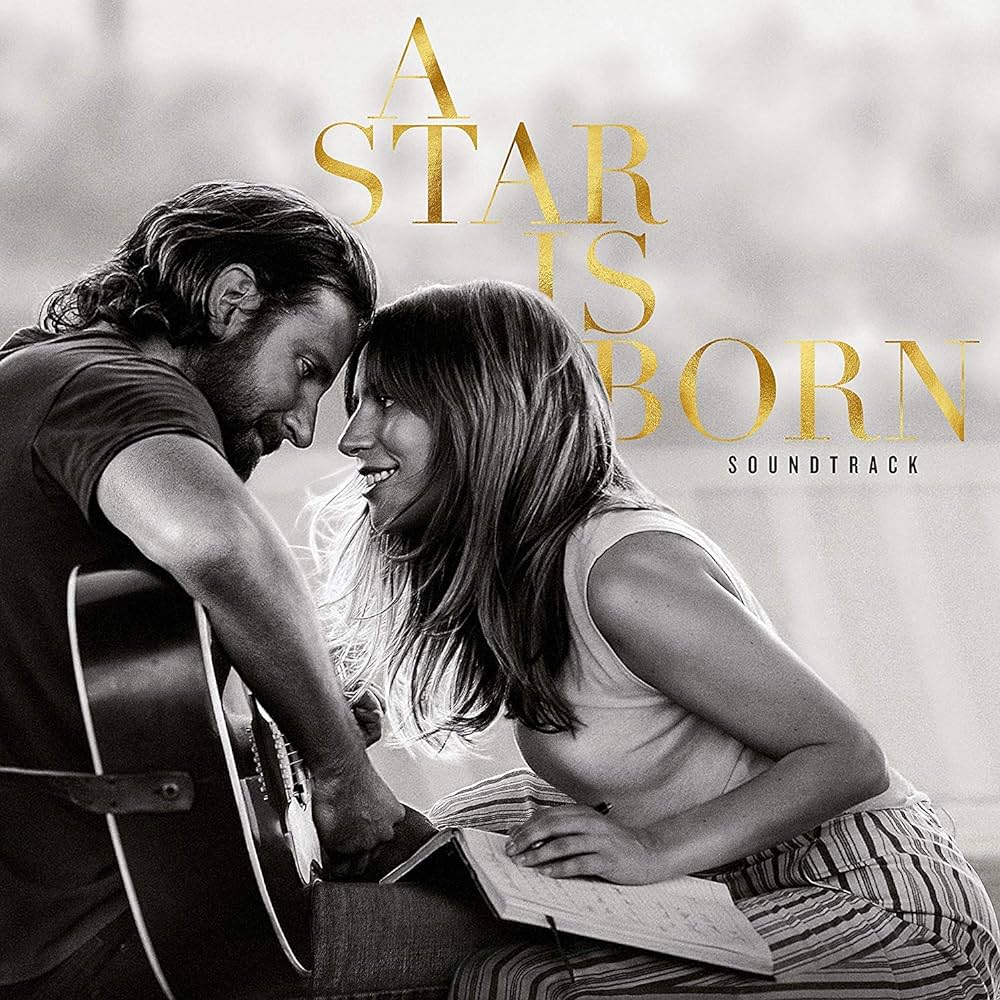
1937’s A Star is Born has been remade three times, and the most recent iteration of the story was movie star Bradley Cooper’s directorial debut and first time singing in public, and Lady Gaga’s first time acting in a feature film. Both rose to the occasion and thrived in their new roles—Gaga received an Oscar nomination and rave reviews for her performance as the aspiring singer Ally, while Cooper, in character as country rocker Jackson Maine, reached the top of the Hot 100 with his power ballad Gaga duet “Shallow.” It’s a little strange to listen to A Star is Born’s soundtrack as an album, particularly in the context of Gaga’s career. Ally’s “Why Did You Do That?” outrages Jackson Maine with its silly, sexual lyrics, but it would’ve been considered tame on The Fame. Still, an impressive number of songs are cannily written to function with or without the context of the film. “At its peaks, the album delivers on the promise of its star-wattage with some of the most affecting and emotionally overwhelming pop songs of the year,” Larry Fitzmaurize wrote in the Pitchfork review of A Star is Born.
8. Cheek to Cheek with Tony Bennett (2014)
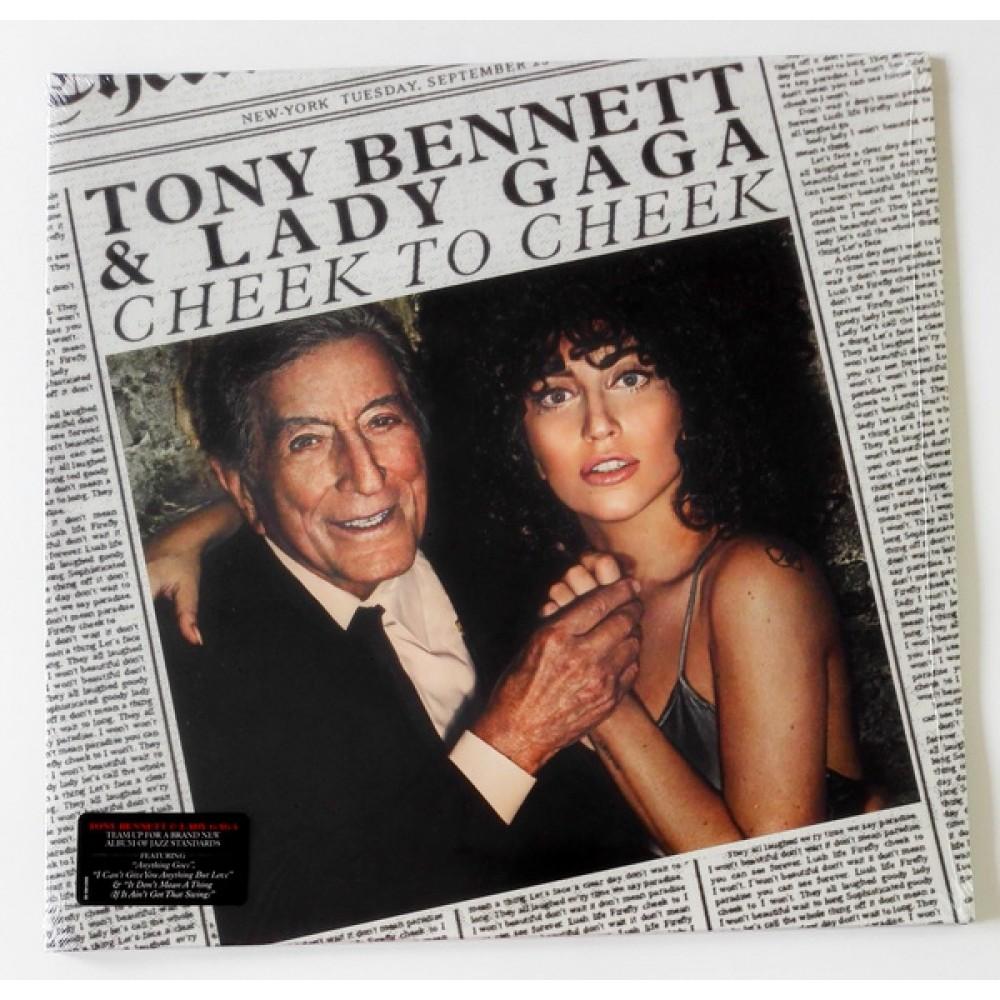
It might be hard to remember, now that Lady Gaga has spent a sizable chunk of her career singing jazz standards, that she and Tony Bennett seemed like quite an odd couple when they first sang together on his 2011 album Duets II. Their partnership became sturdy and mutually beneficial on Cheek to Cheek, though, with Bennett’s steady presence grounding Gaga’s hammy instincts on an assortment of Irving Berlin and Oscar Hammerstein chestnuts. Tony Bennett was the last man standing of the great jazz crooners, but his extended comeback was a product not just of his survival but how great his voice still sounded at 88 years old on Cheek to Cheek.
7. Chromatica (2020)
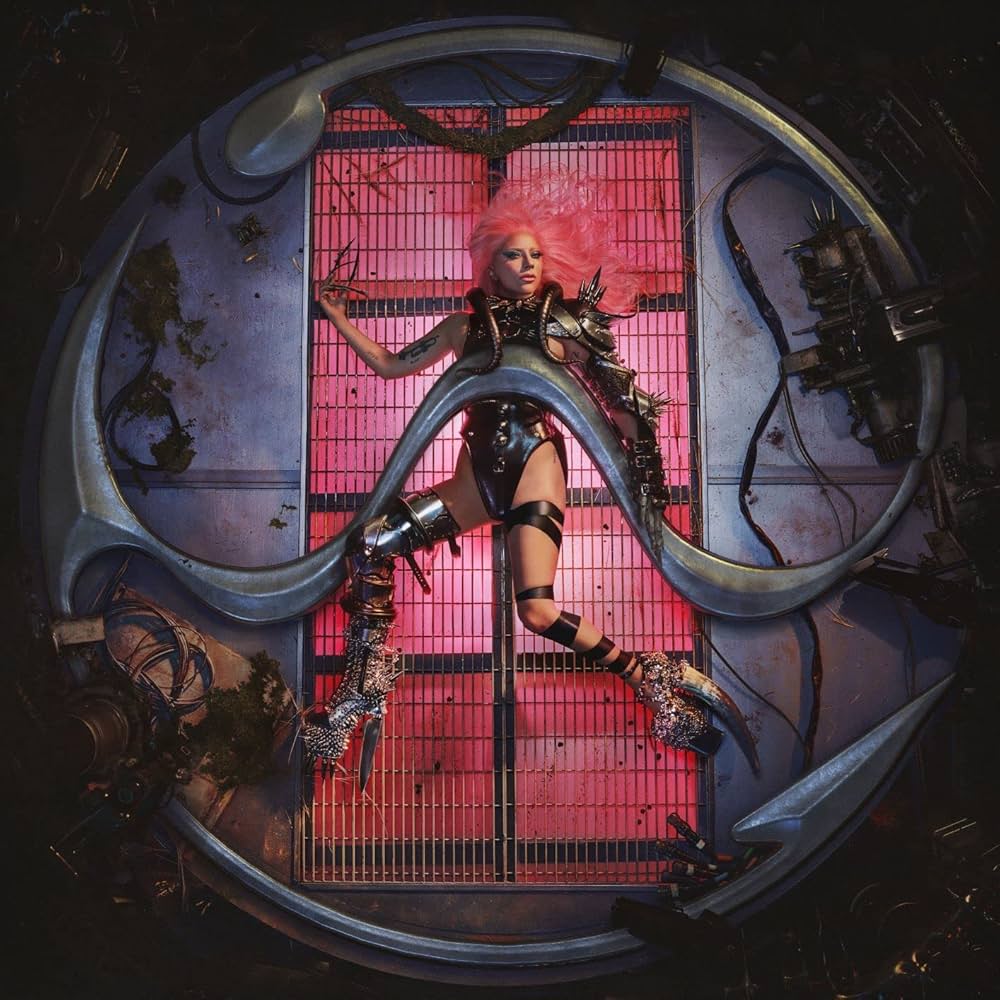
For the first decade of her career, Lady Gaga seemed to be practically the only A-list diva who didn’t work with Swedish hitmaker Max Martin. So Gaga and Martin finally collaborating on Chromatica’s lead single seemed like a pop culture event in the making, and it ultimately felt anticlimactic that “Stupid Love” was merely a very good Top 5 hit and not an era-defining smash. Chromatica’s spring 2020 rollout coinciding with the COVID-19 pandemic was, of course, unfortunate timing for an album that had been planned as Gaga’s long-awaited return to the disco. The vague sci-fi theme of Chromatica never really coheres, but you might not even care if you get carried away by the hooks of the more earthbound songs like “Free Woman” and the Ariana Grande duet “Rain on Me.”
6. ARTPOP (2013)
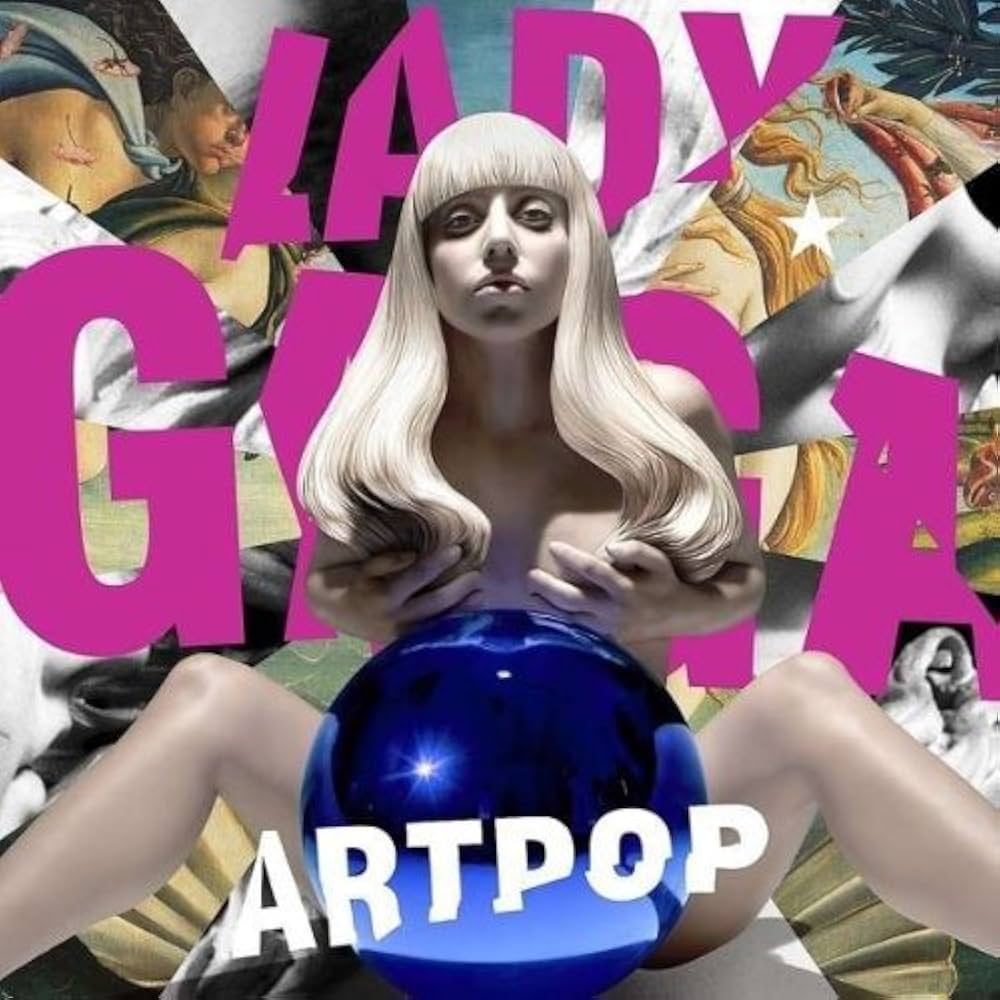
Lady Gaga’s avant-garde fashion and art influences set her apart from her Top 40 peers from the beginning of her career, and she set out to make a Warholian pop art statement with ARTPOP. Namechecking Jeff Koons on the lead single “Applause,” referencing German expressionists Fritz Lang and Robert Wiene in the song’s video, and collaborating with experimental theater veteran Robert Wilson for a performance at MTV’s Video Music Awards, Gaga made it clear that she’d done her homework. The rest of the album doesn’t really show much in the way of esoteric influences, though, aside from an interpolation of space jazz legend Sun Ra on “Venus.” And unfortunately, ARTPOP’s catchiest chorus was on the problematic R. Kelly collaboration “Do What U Want” that was removed from the album in 2019.
5. Mayhem (2025)
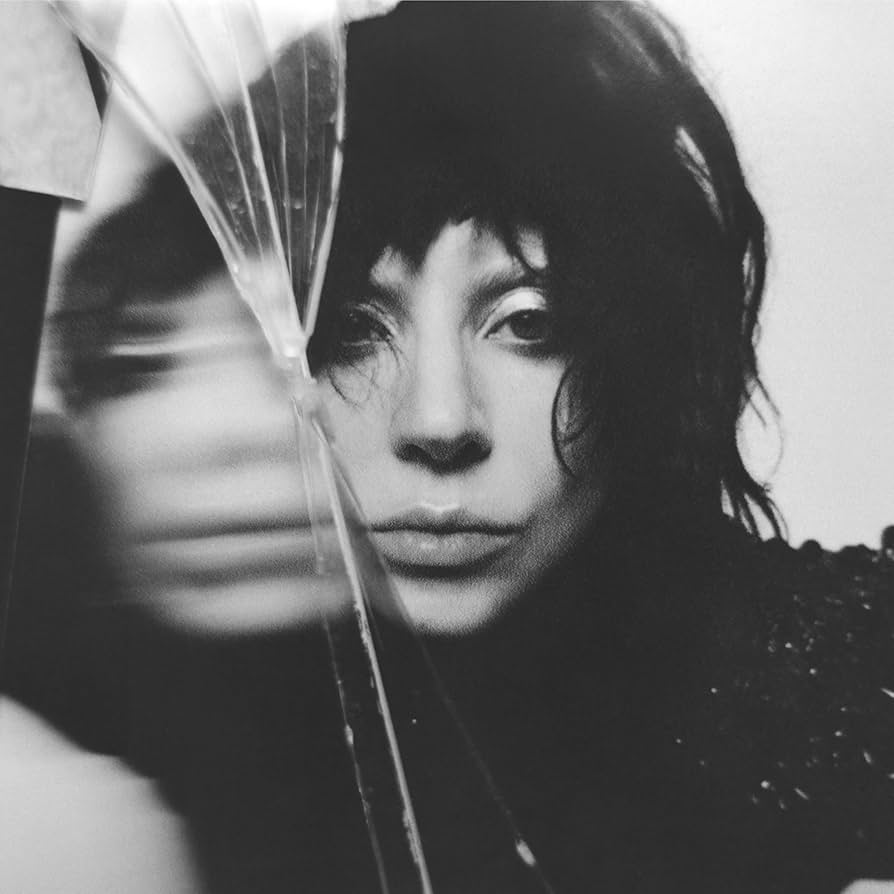
Bruno Mars considered submitting “Die with a Smile” for Joker: Folie à Deux when he first began writing the song. By the time it was released as a duet between Mars and one of the movie’s stars, Lady Gaga, though, it wasn’t officially tied to the film, instead acting as the first single from her Mayhem album. “Die with a Smile” was an enormous hit, by some metrics the biggest song of Gaga’s career. But it’s a total outlier on Mayhem, a ’70s-style power ballad at the end of an album that’s aimed squarely at evoking Gaga’s circa 2009 EDM hit parade. The background vocals on “Garden of Eden” and “Vanish Into You” almost sound like they could’ve been sampled directly from “Bad Romance.” And “Perfect Celebrity” expertly combines two of her enduring obsessions, arena rock bombast and the dark side of fame. “Mayhem is the type of fan service that doesn’t dilute the artist herself. Gaga feels like her most authentic self from start to finish on this album: There’s no characters, concepts, or aesthetic impulses overshadowing the songs,” Brittany Spanos wrote in the Rolling Stone review of the album.
4. Joanne (2016)
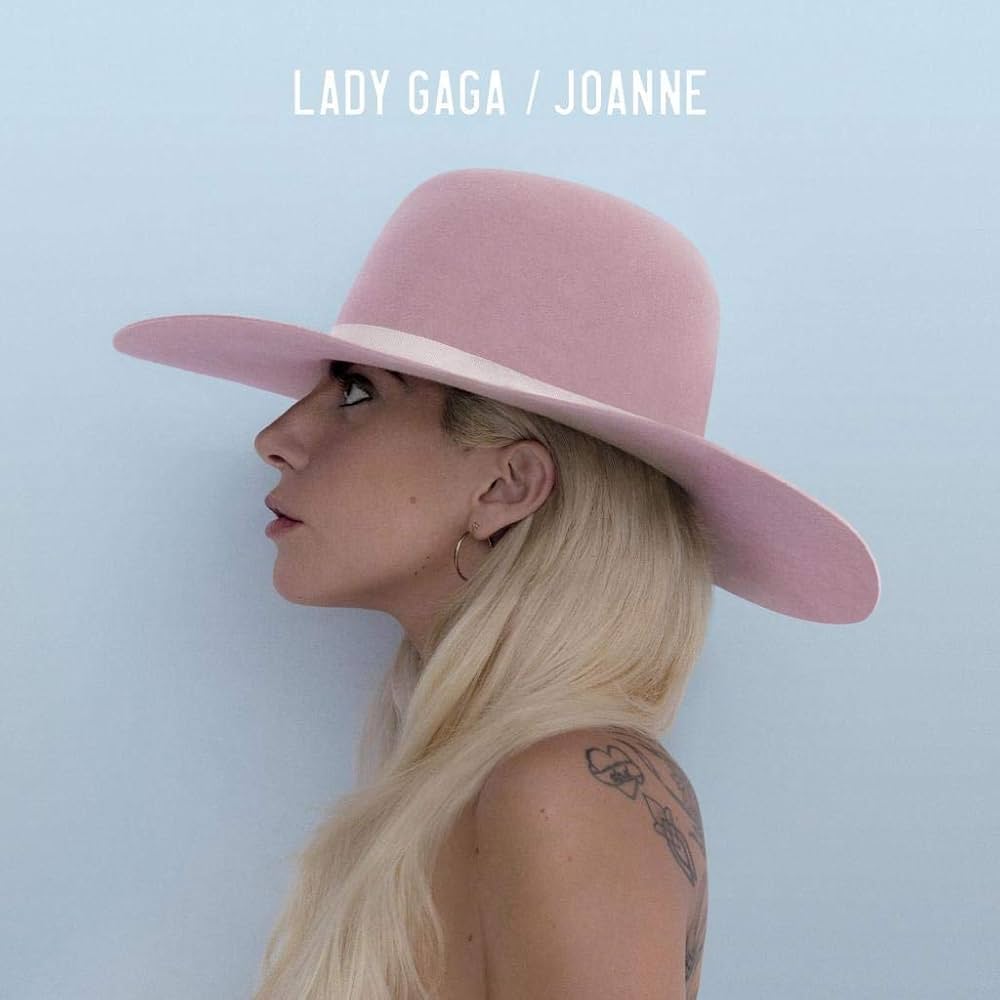
Lady Gaga rocked a pink cowboy hat on the cover of Joanne, and fused country and hip-hop influences on songs like “A-Yo,” “John Wayne,” and “Sinner’s Prayer.” If the album came out today, after the record-breaking chart success of “Old Town Road” and Shaboozey, Joanne would probably be considered a commercially savvy move, but in 2016 it was a bit of a curveball. The album’s liner notes are full of writing credits from people like Beck, Queens of the Stone Age’s Josh Homme, Tame Impala’s Kevin Parker, Father John Misty’s Josh Tillman, and Florence + The Machine’s Florence Welch, lending some quirky, earthy alt-rock undertones to Gaga’s biggest swerve away from electronic pop on a proper solo album. Top 40 radio, understandably, didn’t know what to make of Joanne, but Gaga’s 2017 Super Bowl halftime show performance belatedly boosted the ballad “Million Reasons” into the upper reaches of the Hot 100.
3. The Fame (2008)
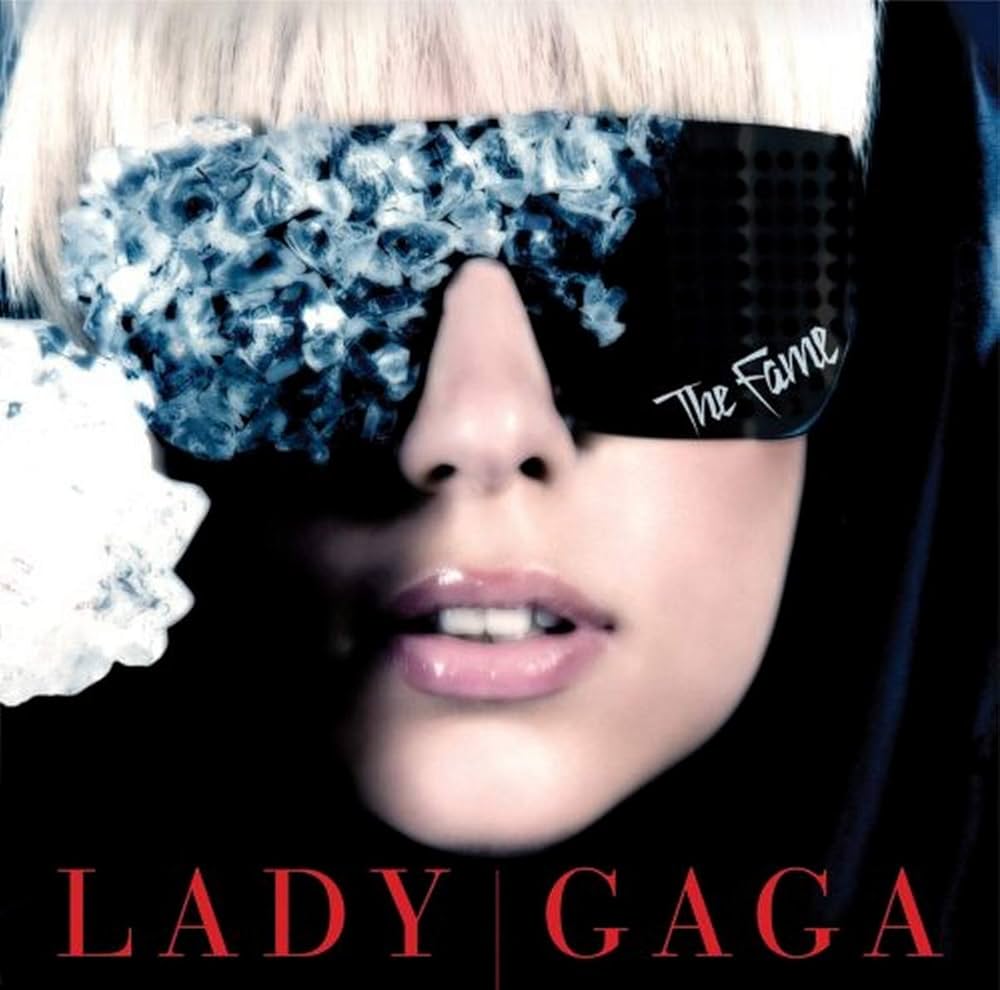
Akon was a pretty big star at the height of his career, but he’s arguably left a more impactful legacy as a label head, signing two of the most influential artists of the last 20 years of popular music: Lady Gaga and T-Pain. Akon also co-wrote the song that launched Gaga into the mainstream, “Just Dance,” and The Fame is frontloaded with Gaga’s first four Top 10 hits. Stefani Germanotta was a broke 22-year-old club kid writing songs about mansions and paparazzi, and by taking on a larger-than-life persona, with big shiny tracks from producer Nadir “RedOne” Khayat to match it, she manifested her own superstar fate.
2. Born This Way (2011)
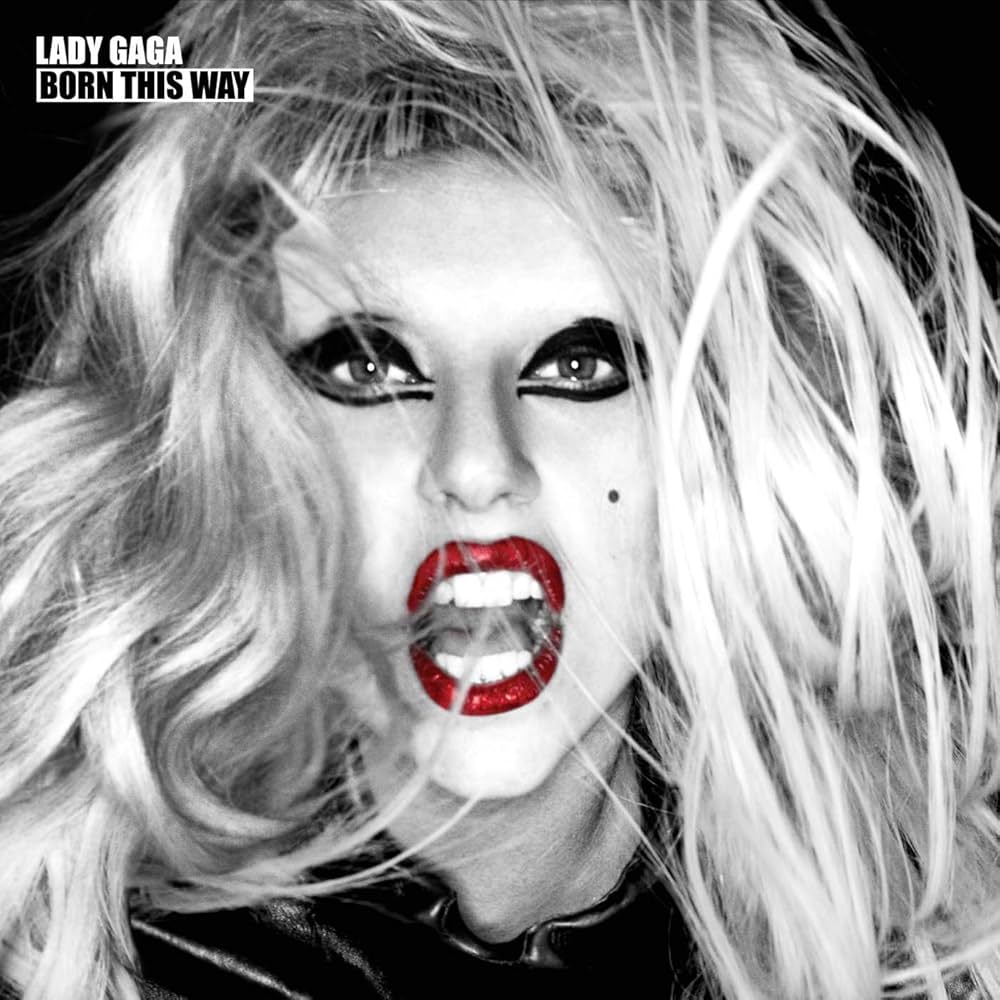
After helping American pop radio belatedly fall in love with the kind of four-on-the-floor dance beats that had dominated Europe for decades, Lady Gaga started to spike her thumping tracks with classic rock grandiosity on Born This Way. Queen guitarist Brian May and Def Leppard producer Mutt Lange helped out on “You and I,” while Springsteen sideman Clarence Clemons lent his regal saxophone to two songs on the album, which was released weeks before his death. Gaga didn’t always add enough original touches to her ’80s influences on Born This Way, and the chart-topping title track fed the common complaint that she was just a Madonna knockoff, but the album is loaded up with gonzo Gaga classics like “Government Hooker,” “Scheiße,” and “Highway Unicorn.” And the album track “Bloody Mary” belatedly became one of Born This Way’s biggest hits after going viral on TikTok in 2022. “Gaga couldn’t have changed course faster if she’d hopped in Marty McFly’s DeLorean, which is essentially what she does on this gloriously weird album,” Caryn Ganz wrote in the SPIN review of Born This Way.
1. The Fame Monster (2009)
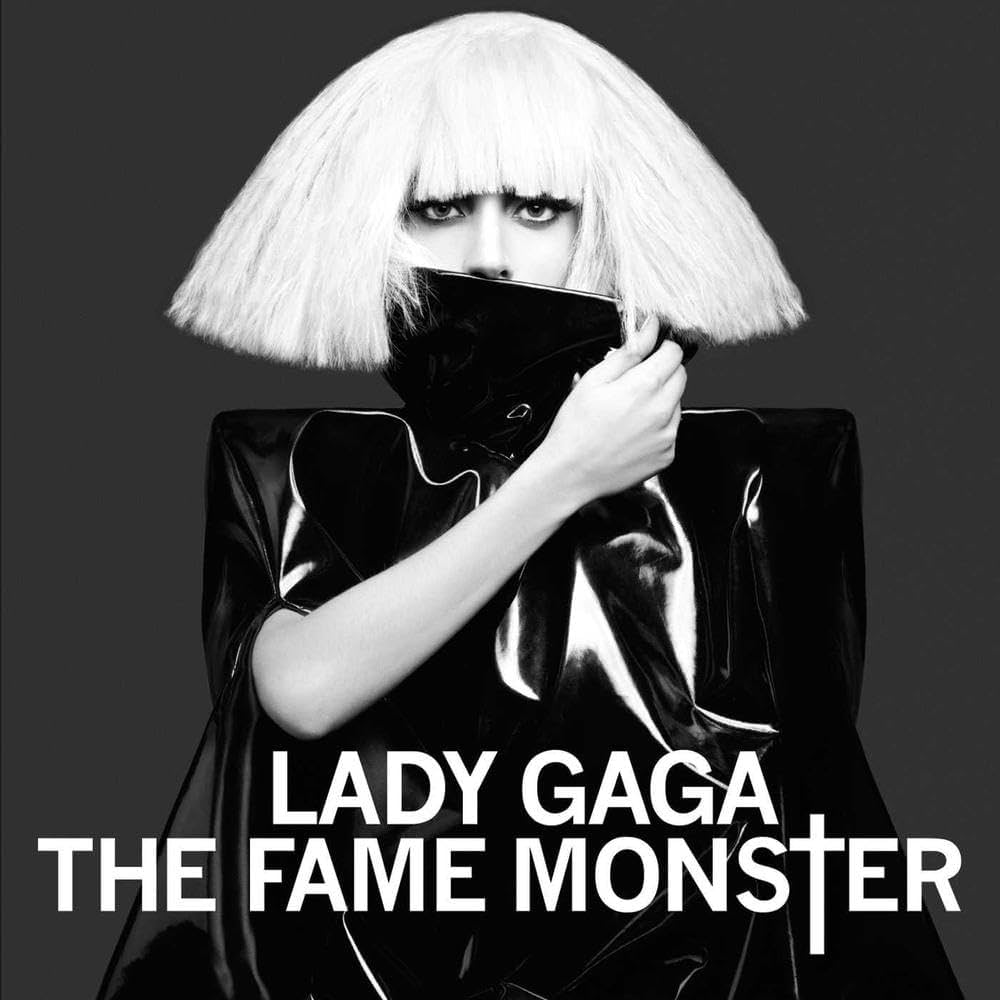
Deluxe editions of albums, adding a few new songs to a recent release to extend its commercial shelf life, were increasingly ubiquitous in the music industry well before Lady Gaga came along. But she upped the ante with The Fame Monster, eight new songs that were available either as a standalone album or as an expanded version of The Fame, setting a new trend that persists today with bonus discs like SZA’s Solana and Justin Bieber’s Swag 2. While those releases can feel like optional victory laps for diehard fans, though, The Fame Monster is essential Gaga. The tight 34-minute collection spun off three massive hits, including her career-defining masterpiece “Bad Romance.” And deep cuts like “So Happy I Could Die” and “Teeth” that opened up a new sonic and emotional range that was missing from her comparatively monochromatic debut.
Leave a comment