
Molly Tuttle is a dedicated student of awesome musical traditions. She grew up on bluegrass, and has been rewarded with acclaim and Grammy awards for two consecutive albums that showcased her high lonesome songs of deep feeling and true mastery on guitar. But for the last five years, Tuttle also quietly plotted a different path, and a different sound.
The first result of that work showed itself on 2025’s “That’s Gonna Leave a Mark,” the first single from her newest album, So Long Little Miss Sunshine. While still including Tuttle’s intricate clawhammer guitar skills in the mix, the song is pure romantic pop, with a gentle twang to her voice as she sings: “If I was smarter, I’d up and leave / But I like to play with fire.”
That’s just one flavor on an album that shows Tuttle expanding her repertoire—from the folk rock of “The Highway Knows” to the straight-ahead rock and roll of “Old Me (New Wig),” a mostly acoustic cover of the 2012 Charli XCX/Icona Pop collab “I Love It,” and back to bluegrass with “Rosalee.” Now Tuttle is coming back to the Grammys in Los Angeles on February 1 with two fresh nominations: Best Americana Album and Best Americana Performance for “That’s Gonna Leave a Mark.”
Americana is a new Grammy category for her, and it’s a fitting one as she leans more into the singer-songwriter side of her work.
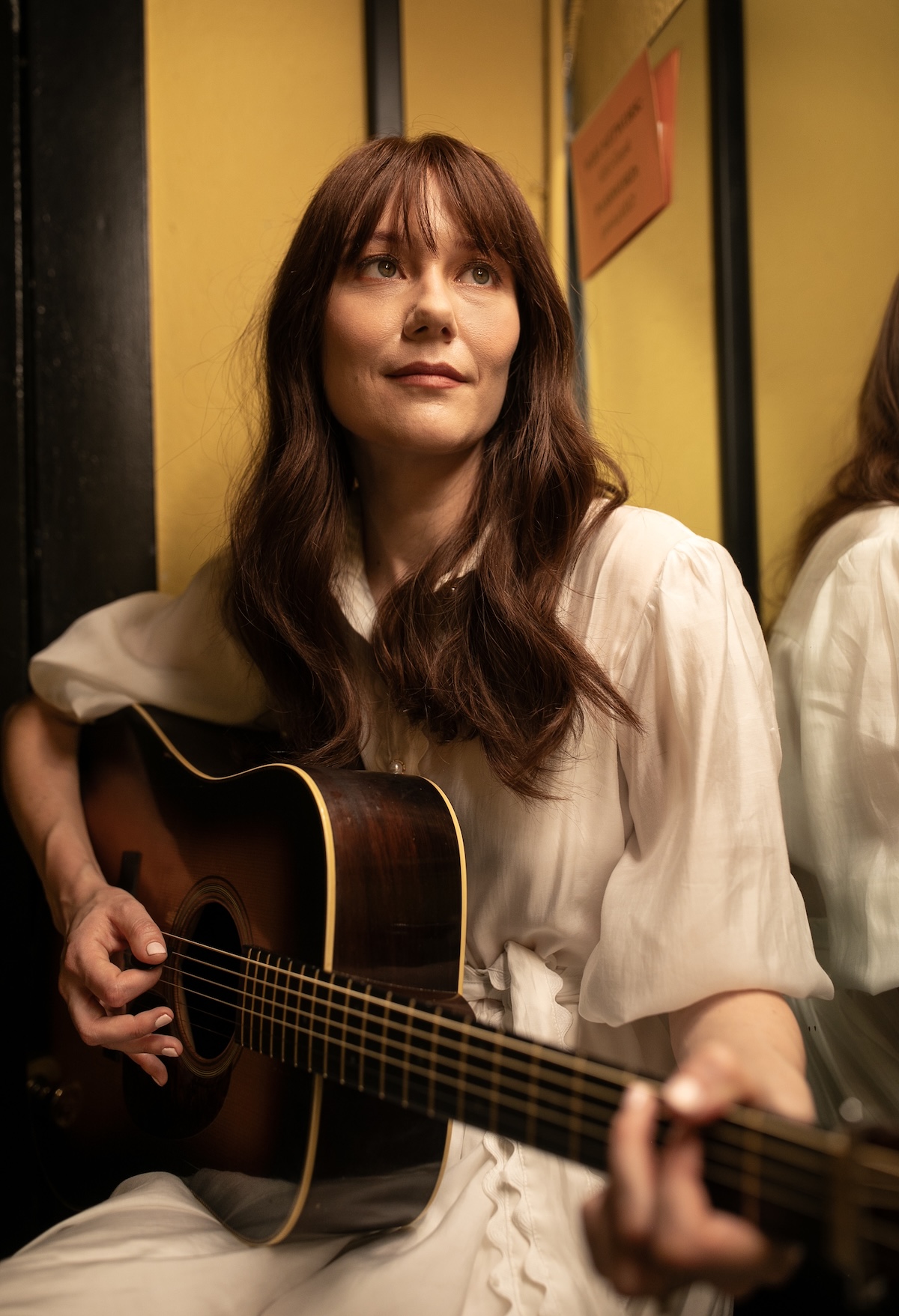
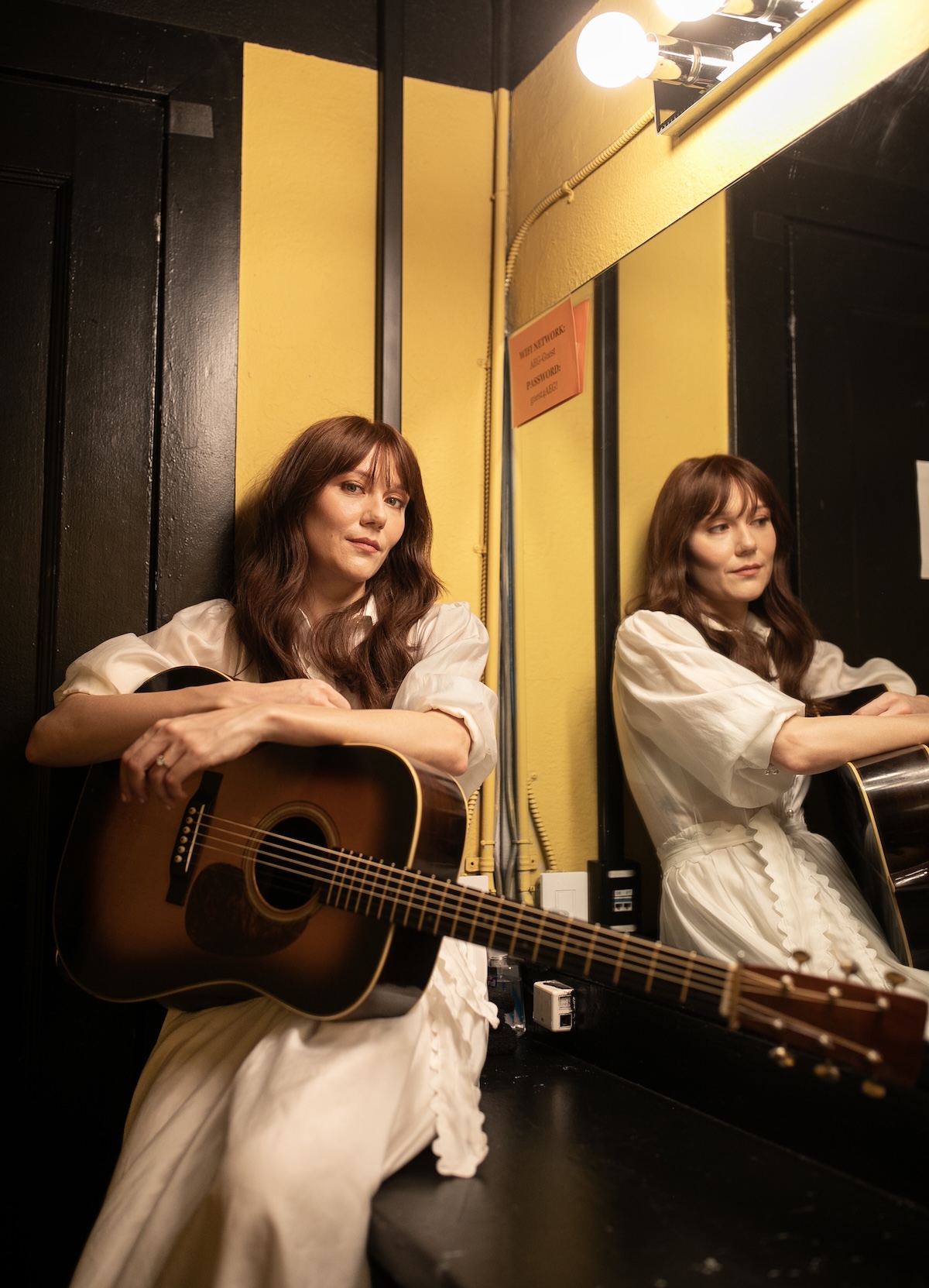
“It’s a big umbrella that encompasses so much American music and America as a whole is a big melting pot and that’s what makes it beautiful,” says Tuttle, sitting backstage at a recent tour stop at the Fonda Theatre in L.A. “The Americana category is all these different influences, from blues to bluegrass to country, and so many other styles melded together to create this organic type of music. I like it.”
So Long Little Miss Sunshine began taking shape in her mind five years ago, when she first talked about her concept for a singer-songwriter collection with producer Jay Joyce (Keith Urban, Carrie Underwood, the Wallflowers). She already had a handful of songs written that would end up on the record.
“He’s a chameleon—kind of like me—where he works in so many different styles of music,” Tuttle says of Joyce. “It was a long time in the making because I didn’t know exactly what the sound was going to be. And then in the past year, I suddenly was really inspired to finish the record, keep writing a bunch of songs, and I developed this sound for what the songs were going to be.”
Released last summer on Nonesuch Records, it’s also the first album since her bluegrass band, Golden Highway, went on hiatus. Tuttle takes all the solos herself, and even amid the new direction, she made sure to keep banjo, fiddle, mandolin, and upright bass as an essential part of the mix, to keep a through-line with her previous records.
The songs are more autobiographical. “There’s less just straight-up storytelling than on my last couple of records. When I’m writing more in the traditional roots music/bluegrass realm, I do tell stories a lot more—but make it into a metaphor,” she explains. This time, the songs unfolded as “personal stories where I’m expressing things that I’m feeling, things that have happened to me in that plain language.”
She notes that her first two solo albums, both for Compass Records, were filled with personal songs. “A lot of my first songs I wrote are like journal entry songs, where you’re like, ‘I’m sad because of this, blah, blah, blah.’ And then I learned to work more with metaphor and imagery and then eventually writing songs that told a story. I slowly learned the craft of making it a little bit more interesting than just pure journaling, basically. But this album does kind of go back to that style that I started out with.”
This isn’t the first time Tuttle has got attention for veering away from the most traditional side of her music. In 2020, she recorded a cover of the Rolling Stones’ “She’s a Rainbow,” a psychedelic pop tune from 1967, transformed into a kind of feminist statement. The song, with Tuttle recreating the original’s sweet piano melody on acoustic guitar, has been a recurring part of her live show ever since. But the new Grammy nods confirm her most recent instincts to branch out.
“When I saw that it received two nominations, I was absolutely thrilled because it’s a leap of faith making a record that’s something new and different,” she says. “So it gave me that validation that okay, I’m glad I followed my heart on this.”
Her first two Grammy experiences in 2023 and 2024 were a whirlwind of events, red carpets, and that week’s annual Americana show at The Troubadour where multiple players in that category perform together. One year, that included Lucinda Williams, another year it was Paul Simon.
“I’m thrown into this world that I never really inhabit any other time in the year. The first year that I went I was sort of freaked out the whole time,” she recalls with a laugh. “Where they sat me, I looked over one table over and there’s Taylor Swift. I was like, oh my gosh, I should not be here right now. This is crazy.”
Actually winning two of the awards, she says, was both surprising and encouraging. “Being part of that is very life affirming and surreal.”
As a student and fan, Tuttle has spent a lot of time listening to bluegrass artists Ralph Stanley, the Stanley Brothers, and Hazel Dickens; and singer-songwriters Gillian Welch, Joni Mitchell, and Bob Dylan. Tuttle also has a weakness for indie rock, she says. “These days, I’ve been putting on that new album by Geese that everyone has been really excited about [2025’s Getting Killed], and I’ve just been obsessed with it. I get kind of fixated on one album.”
With Golden Highway, her last two albums were about honoring the music she grew up playing, as the daughter of a father who is both a string player and music teacher.
On the new album is “Rosalee,” mingling acoustic guitar and fiddle, and could easily have appeared on one of her bluegrass albums. It’s a sound Dolly Parton calls “mountain music.” Though Tuttle is from the Bay Area town of Palo Alto, California, she evokes the feeling of Appalachia as she sings this cautionary tale: “Damn that deputy / ’Cause a jealous heart ain’t worth the cost of hanging from the gallows tree / And what if they find out just who fired the gun? / Rosalee, you better run.”
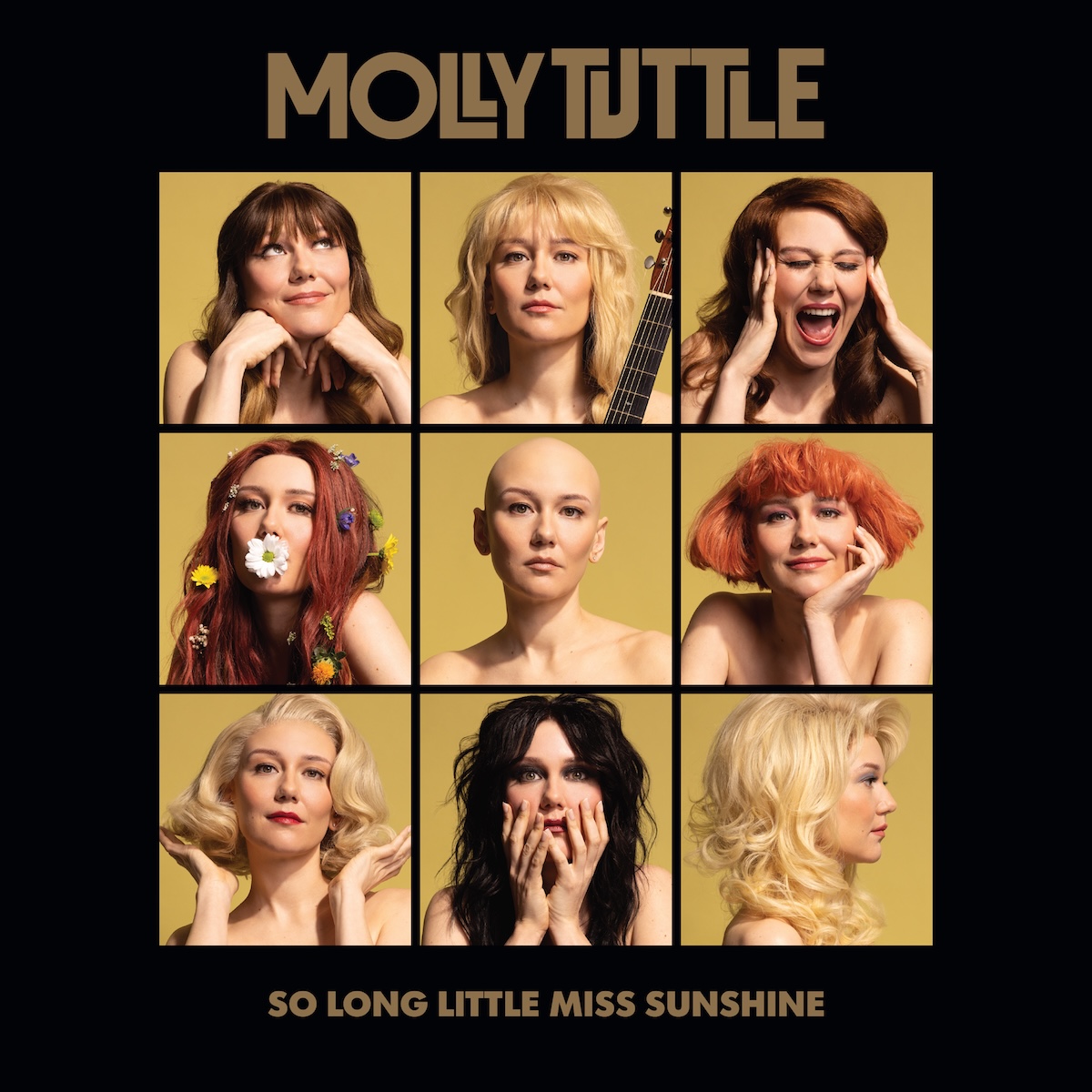
On the cover of So Long Little Miss Sunshine is a grid of photos she says was inspired by the cover of the Beatles’ Let It Be album. In Tuttle’s version, each of the squares has a different closeup picture of the singer-guitarist, wearing a different wig, with the center square showing her with no hair at all.
As many of her fans know, Tuttle has lived with alopecia, the autoimmune disease that causes hair loss, since she was 3 years old. You will most often find her onstage or in photographs with wigs in different colors and hairstyles. Onstage, near the end of her shows, she will usually toss off her wig playfully.
The multiple personalities shown on the cover, Tuttle explains, represents “reinventing yourself. It is that feeling where you put on a new outfit—or, for me, I put on a new wig and I get this boost of confidence. It’s like you’re starting a new page.”
On the album’s strutting “Old Me (New Wig),” she sings, “Got you off of my back, now I’m walking on air / I got a new wig to get you out of my hair / So long, little Miss Sunshine / Adios to my used-to-be.”
“Part of the album is about stepping into who you are and being true to yourself, following your heart,” she explains. “‘Old Me (New Wig)’ is about breaking up with old past versions of yourself that maybe aren’t serving you in the best way—whether it’s an insecure version of yourself, or part of you that wants to be a people pleaser. For me it’s all about slowly becoming more confident in who I am.
“It’s actually a beautiful thing that we’re all different and unique,” adds Tuttle, who occasionally posts videos with beauty tips for others with the condition, trying on wigs, applying eyebrows. “I guess that’s the first time I’ve actually written a song with anything about wigs or hair loss in it explicitly.”
On Thanksgiving, she got engaged to Ketch Secor, singer-fiddler for the Americana act Old Crow Medicine show. That same month, the couple released a cover of the Pogues’ 1987 Christmas classic “Fairytale of New York” as a single. Tuttle co-wrote many songs on the new album with Secor.
Now that she’s got a true singer-songwriter album behind her, Tuttle is looking to branch out in other ways—maybe including an album of collaborations with other artists, or an album of just her voice and her guitar. But with this new Americana collection still fresh, she’s leaning toward a mixture of that sound and her bluegrass roots.
“I think it could be fun to just sort of weave them together a little bit more, make something that’s totally encompassing of everything that I do,” Tuttle says with a smile. “That’s where my head’s at right now. I have so many different projects I want to work on.”
Leave a comment